




Can a Torn ACL Heal Without Surgery? Exploring Non-Surgical Solutions
In the world of sports and physical activities, injuries are unfortunately common, and one of the most serious injuries an athlete can suffer is an Anterior Cruciate Ligament (ACL) tear. The ACL is a vital ligament in the knee that helps stabilize and control movement. It plays a crucial role in activities that involve sudden stops and changes in direction, making it particularly susceptible to injury during sports such as football, basketball, and soccer.
ACL injuries can have significant repercussions, not only for athletes but for anyone who requires stable knee function in their daily activities. The most common causes of ACL tears include awkward landings, sudden stops, or direct impacts to the knee. In fact, according to the American Orthopaedic Society for Sports Medicine, approximately 200,000 ACL injuries occur in the United States each year. This prevalence demonstrates how critical it is to understand the nature of ACL injuries and their potential impacts.
Symptoms of a Torn ACL
Recognizing the symptoms of a
torn ACL is vital for early intervention and appropriate treatment. Common symptoms include:
- Pain: Immediately after the injury, a sudden, sharp pain in the knee can occur.
- Swelling: Rapid swelling often develops within a few hours following the injury as fluids build up in the joint.
- Instability: Many individuals report a feeling of instability or a “giving way” sensation in the knee when attempting to bear weight.
Early recognition of these symptoms can be critical in determining the right course of action and maximizing recovery outcomes.
Traditional Surgical Approaches to ACL Injuries
When it comes to treating
ACL injuries, surgical intervention has long been considered the standard approach, particularly in cases where the ligament is completely torn. Surgeons typically recommend reconstruction surgery to restore knee stability. Surgical options include:
- Autografts: Harvesting tissue from the patient’s own body, often from the hamstring or patellar tendon.
- Allografts: Using tissue from a deceased donor.
While these surgical procedures can yield positive outcomes, they are not without drawbacks. Some potential issues associated with ACL surgery include a lengthy recovery period, risks of infection, and complications that can arise during or after the surgery. Recovery from ACL reconstruction can take several months, making it a significant commitment for any individual.
In light of these factors, many individuals are now asking, “Can a torn ACL heal without surgery?” This question leads us into exploring the non-surgical alternatives that may provide viable solutions for recovery. Stay tuned for our next section, where we will delve into non-surgical options and the potential for healing a torn ACL without surgery.
For those seeking more information on knee pain relief and non-surgical options, GAE (Genicular Artery Embolization) offers insight into minimally invasive treatments available for knee injuries and chronic pain.
Can a Torn ACL Heal Without Surgery?
The question of whether a torn ACL can heal without surgical intervention is a critical one for many athletes and active individuals. The answer, unfortunately, is not straightforward. The potential for self-healing largely depends on the severity of the tear. ACL injuries can be classified into three grades:
- Grade I: A mild sprain where the ligament is stretched but not torn, often allowing for natural healing.
- Grade II: A partial tear that may heal on its own but requires careful monitoring and rehabilitation.
- Grade III: A complete tear, typically necessitating surgical reconstruction for full recovery.
Thus, it's important to consult a healthcare professional to assess the grade of the ACL injury to determine the best path forward. For those with lower-grade injuries, a non-surgical healing process can be effective.
Comprehensive Non-Surgical Treatment Options
When exploring the recovery options for a torn ACL, several comprehensive non-surgical treatments can support healing:
- Physical Therapy and Rehabilitation: Engaging in a tailored physical therapy program can strengthen the muscles surrounding the knee and improve stability. Rehabilitation focuses on improving range of motion, strength, and functional ability, which can significantly enhance outcomes without surgery.
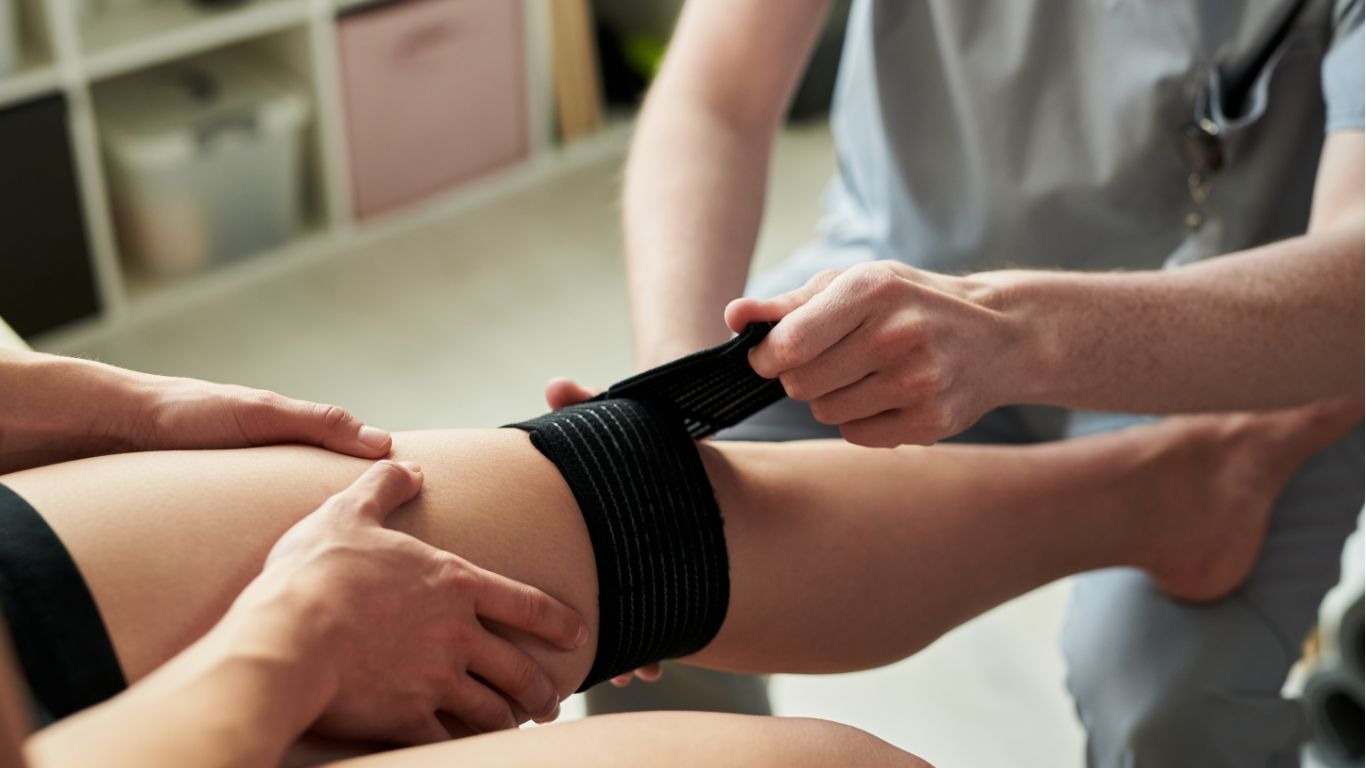
- Bracing: Utilizing a knee brace can offer added support during recovery. Braces help stabilize the knee and may prevent further injury while allowing patients to remain active.
- Alternative Treatments: Several alternative treatments show promise in enhancing recovery from ACL injuries. Acupuncture may help manage pain and reduce inflammation, while cryotherapy can aid in managing swelling and soreness. Injection therapies,
including PRP (platelet-rich plasma) and stem cell therapies, aim to promote healing by delivering growth factors directly to the injured tissue.
These non-surgical approaches can foster recovery, especially when combined with lifestyle adjustments and preventive measures.
The Role of Vascular Health in Healing
One crucial but often overlooked factor in the healing process is vascular health. Blood flow is vital for delivering nutrients and oxygen to tissues, which are essential for effective healing. Enhanced vascular health can lead to improved outcomes, particularly for non-surgical recovery from an ACL injury. Here’s how it works:
- Improved blood circulation can speed up the healing process by providing a consistent supply of healing agents to the injured area.
- Healthy vascular function ensures that inflammation caused by the injury is appropriately managed, reducing complications that may slow recovery.
- Incorporating exercises that boost cardiovascular health can also help in rehabilitation efforts by supporting overall ligament health.
For more comprehensive approaches to treating knee injuries and chronic pain, including innovative solutions like Genicular Artery Embolization (GAE), patients can explore alternatives that help address underlying issues contributing to ACL injuries.
In conclusion, while some ACL injuries, particularly lower-grade tears, may heal without surgery, it's vital to pursue a structured rehabilitation program and consider various non-surgical treatments as viable options. Remember, early intervention and a focus on recovery can lead to better long-term outcomes.
Choosing the Best Path for ACL Recovery
When faced with the decision regarding the treatment of a torn ACL, it’s crucial to evaluate several factors to determine whether surgery or non-surgical alternatives are the best option for you. The recovery journey is not one-size-fits-all; understanding your unique situation is imperative. Here are some important considerations:
- Age: Younger, more active individuals may lean towards surgical options due to higher activity demands, while older adults might prefer non-surgical methods.
- Activity Level: If your lifestyle involves high-impact sports, surgery might be the safer option to restore stability.
- Severity of the Injury: The grade of the ACL tear greatly influences your treatment path. Grades I and II might allow for non-surgical healing, while Grade III typically necessitates surgical intervention.
Before deciding, it’s vital to undergo a professional evaluation. Experienced physicians can provide insight tailored to your injury specifics, lifestyle, and long-term goals.
The Supportive Role of MM Medical
At MM Medical, we are dedicated to offering advanced, image-guided procedures and personalized care tailored specifically for those recuperating from ACL injuries. Our commitment to your recovery means we focus not only on injury management but on enhancing your overall quality of life. Here’s how we stand out:
- Advanced Treatments: We utilize the latest techniques, including Genicular Artery Embolization (GAE), which can effectively reduce pain and inflammation, promoting a conducive healing environment.
- Expert Team: Our board-certified specialists have extensive experience in assessing and treating ACL injuries, enabling us to craft ideal recovery plans tailored just for you.
- Success Stories: Many patients who have opted for non-surgical treatments at MM Medical have shared their triumphant recovery experiences. For instance, they report improved mobility and pain relief without the need for invasive surgery.
Recovery from an ACL injury is possible without surgery for many individuals when approached holistically. Our patients’ narratives often highlight how non-surgical interventions, paired with guidance from our team, have allowed them to regain not just their physical capabilities but also their confidence.
Conclusion and Call to Action
In conclusion, the potential for healing a torn ACL without surgery is not just a hopeful notion; it is a feasible path for many. Non-surgical options can provide effective recovery, particularly for lower-grade tears, enabling individuals to regain mobility and resume their daily activities. At MM Medical, we encourage you to explore these alternatives with our skilled team.
Are you ready to take the next step in your ACL recovery journey? Don’t wait any longer—schedule an appointment at MM Medical today for a thorough consultation. Together, we can develop a personalized plan that aligns with your recovery goals. Let us help you navigate the best path forward, because your well-being is our top priority.

Author:
MM Medical
MM Medical provides expert, compassionate care with advanced treatments to help you heal, move, and live pain-free.
Schedule an Appointment
Search
SHARE THIS POST:
Recent Post
Take the First Step
Don't Let Pain Hold You Back Any Longer.
Our experienced medical team is ready to guide you toward lasting relief and better mobility with personalized, effective treatments.
Call us now: