




Genicular Artery Embolization vs. Physical Therapy for Knee Osteoarthritis: Which Treatment is Right for You?
Knee osteoarthritis (OA) is a degenerative joint disease that affects millions of individuals worldwide. It occurs when the cartilage that cushions the knee joint gradually wears away, leading to pain, stiffness, and decreased mobility. As one of the most common forms of arthritis, knee osteoarthritis significantly impacts a person’s quality of life, especially among older adults and those with previous knee injuries.
The prevalence of knee osteoarthritis is noteworthy, with studies indicating that nearly 30% of adults over the age of 65 experience symptoms. However, younger individuals can also be affected, particularly those with obesity or a history of joint trauma. The condition is characterized by not only wear and tear on the joint but also by inflammation and changes to the bone structure surrounding the knee.
Symptoms and Diagnosis
Common symptoms of knee osteoarthritis include:
- Joint Pain: Persistent pain during or after movement.
- Stiffness: Increased stiffness, especially upon waking or after sitting for extended periods.
- Swelling: Inflammation around the knee joint due to fluid buildup.
- Creaking or Clicking: A grating sensation or sound during movement, known as crepitus.
- Decreased Range of Motion: Difficulty in fully bending or straightening the knee.
Diagnosis of knee osteoarthritis usually involves a combination of patient history, physical examination, and imaging tests. Physicians may ask about prior injuries, family history, and the specifics of the symptoms being experienced. Physical examinations will check for swelling, range of motion, and joint tenderness. Imaging studies, such as X-rays or MRIs, help in visualizing joint damage and ruling out other conditions.
Healthcare providers can also utilize the MM Medical approach to provide comprehensive assessments, ensuring that patients understand their condition and potential treatment paths.
Early diagnosis and intervention are crucial as they can prevent further joint damage and enhance the effectiveness of treatment options.
Understanding knee osteoarthritis and its implications is vital for individuals experiencing joint pain. As you navigate the treatment landscape, consider all options available, including conservative management and emerging therapies. In the next part of our blog, we will explore various treatment options, including the benefits of physical therapy and the innovative approach of Genicular Artery Embolization (GAE).
Treatment Options for Knee Osteoarthritis
When managing knee osteoarthritis, exploring all available treatment options is essential for improving quality of life. Traditionally, treatment begins with conservative management, which may include medication, lifestyle modifications, and physical therapy. In this section, we will examine these traditional treatments and delve deeper into the benefits of physical therapy for knee osteoarthritis. Additionally, we will introduce the innovative approach of Genicular Artery Embolization (GAE) as an alternative treatment option.
Overview of Traditional Treatments
Conservative management typically encompasses:
- Medications: Over-the-counter pain relievers, such as acetaminophen and nonsteroidal anti-inflammatory drugs (NSAIDs), can help alleviate pain and reduce inflammation.
- Weight Management: Maintaining a healthy weight is crucial, as excess weight places additional strain on the knees, exacerbating symptoms of osteoarthritis.
- Activity Modification: Changes in daily activities and exercise routines can help reduce knee stress and manage symptoms.
These conservative approaches are often effective for many individuals; however, many find additional relief through physical therapy. Physical therapy plays a pivotal role in rehabilitation and pain management.
Exploring Physical Therapy
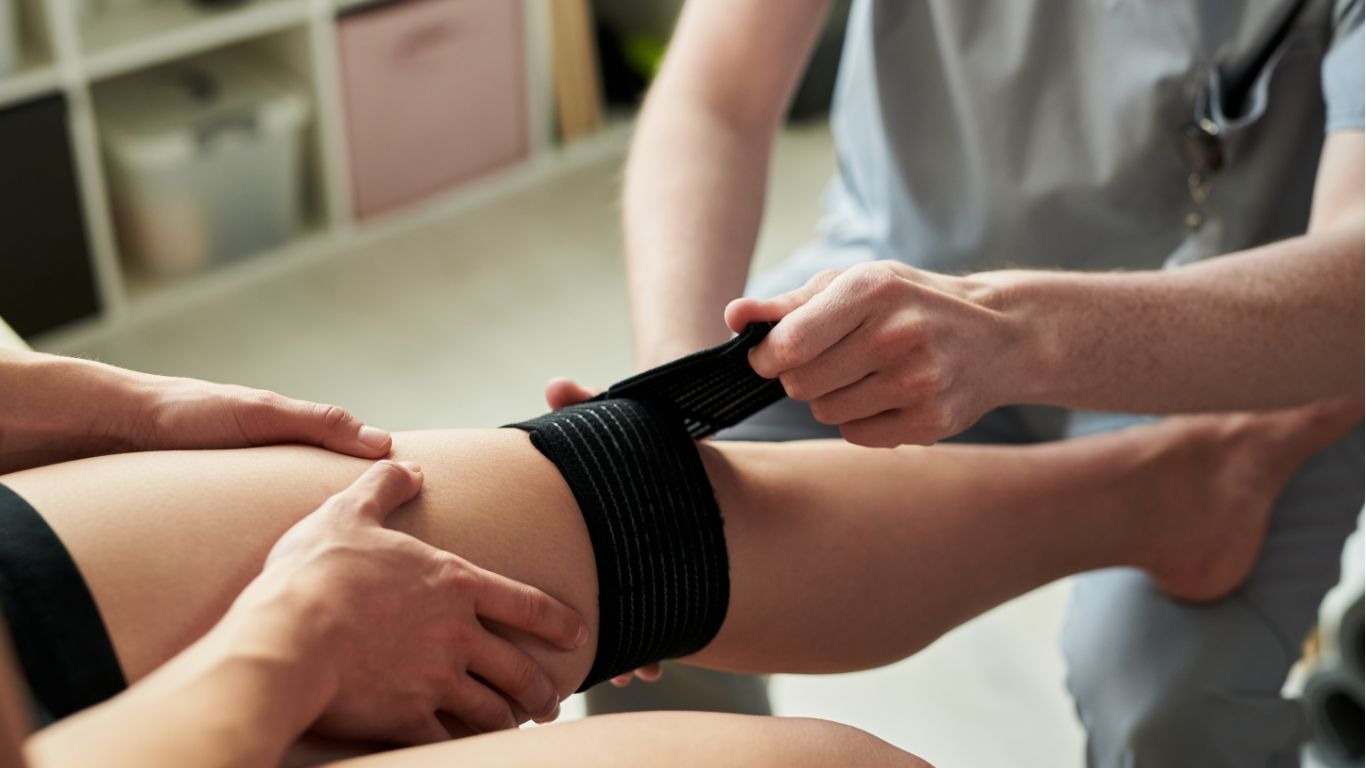
Physical therapy offers numerous benefits specifically designed to improve knee function and reduce pain:
- Customized Exercise Programs: A physical therapist can develop a personalized exercise plan that strengthens the muscles around the knee, improving support and stability.
- Manual Therapy Techniques: Hands-on techniques such as joint mobilization can enhance flexibility and reduce pain.
- Education: Therapists educate patients on how to properly manage their condition, including strategies for daily activities and exercise that minimize joint stress.
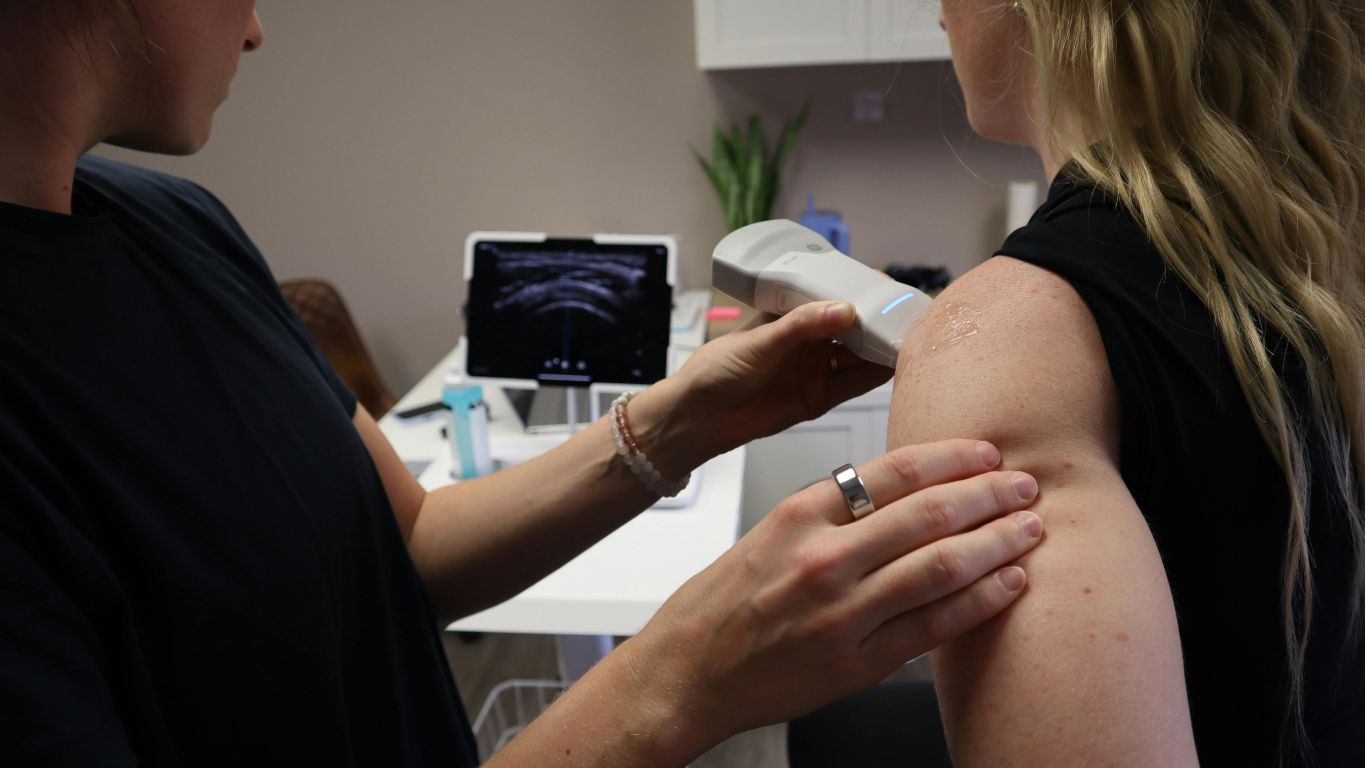
- Modalities: The use of heat, ice, ultrasound, or electrical stimulation can significantly reduce pain and facilitate healing during therapy sessions.
Research indicates that patients who engage in regular physical therapy see notable improvements in pain and function, making it a valuable treatment for knee osteoarthritis.
Introduction to Genicular Artery Embolization (GAE)
Genicular Artery Embolization is an innovative procedure that targets the blood vessels supplying the knee joint. By selectively blocking these arteries, GAE aims to reduce inflammation and pain associated with knee osteoarthritis. Here’s how it works:
- A catheter is inserted into a blood vessel, typically in the groin.
- Guided by imaging techniques, the catheter is threaded to the genicular arteries around the knee.
- Embolic agents are injected to intentionally block specific arteries, which reduces blood flow and limits the inflammatory response in the joint.
This minimally invasive procedure offers several potential benefits:
- Quick Recovery: Many patients can resume their daily activities within a few days following the procedure.
- Long-lasting Relief: GAE may provide significant pain relief and improve function for months, or even years, making it an appealing alternative.
- Reduced Side Effects: Compared to systemic medications, GAE has localized effects with minimal side effects.
However, it is crucial to consider the potential risks of GAE, such as infection or unintended blockage of other blood vessels. Discussing these options with healthcare professionals can help patients make informed decisions. For more information about Genicular Artery Embolization, visit MM Medical.
Comparing GAE and Physical Therapy
When faced with knee osteoarthritis, choosing the right treatment is vital for effective pain management and improved mobility. Two prominent options in this context are Genicular Artery Embolization (GAE) and physical therapy, each with its unique benefits and considerations. This section will compare the efficacy of these treatment options, highlight factors to consider when deciding, and conclude with guidance on making an informed choice.
Efficacy of Treatment Options
Research and clinical studies have explored the efficacy of both GAE and physical therapy for knee osteoarthritis:
- Evidence Supporting GAE: Numerous studies indicate that GAE can significantly reduce knee pain and improve function in patients experiencing osteoarthritis. One study reported that about 80% of participants experienced meaningful pain relief within weeks of the procedure, with many maintaining that benefit for an extended period.
- Physical Therapy Outcomes: Physical therapy has consistently shown positive outcomes with improved strength, flexibility, and pain reduction. Many patients reported enhanced functional ability and a decreased need for pain medication after completing individualized therapy programs.
- Case Studies: Testimonials from patients who have undergone GAE often highlight rapid relief from chronic pain and improvement in quality of life, while those using physical therapy often praise their enhanced mobility and the empowerment that comes from learning to manage their condition effectively.
Factors to Consider When Choosing a Treatment
Choosing between GAE and physical therapy involves evaluating several personal factors:
- Personal Health History: Individuals with certain health conditions, such as clotting disorders or severe comorbidities, may be better suited for conservative treatments like physical therapy.
- Severity of Osteoarthritis: For those with advanced or debilitating knee osteoarthritis, GAE may offer quicker and more significant pain relief compared to traditional therapies.
- Lifestyle Considerations: Active individuals might find physical therapy beneficial, as it focuses on enhancing functional mobility and strength.
- Cost Considerations: It's worth noting that while physical therapy sessions may be covered under insurance plans, GAE may have associated costs related to the procedure, which could impact choice.
Conclusion
In conclusion, both Genicular Artery Embolization and physical therapy represent valuable treatment options for knee osteoarthritis, each suited to different patient needs and preferences. The choice between them should be based on a thorough discussion with healthcare professionals who can evaluate personal health history, the severity of osteoarthritis, and lifestyle preferences.
We encourage individuals experiencing knee osteoarthritis to consult with healthcare providers for personalized advice that takes into account their unique conditions and treatment goals. Making an informed choice is crucial for achieving the best possible outcome in managing knee osteoarthritis.
Call to Action
If you're exploring treatment options for knee osteoarthritis, including Genicular Artery Embolization or physical therapy, reach out to MM Medical for consultations. Our team is dedicated to providing tailored rehabilitation services that suit your needs and enhance your quality of life.

Author:
MM Medical
MM Medical provides expert, compassionate care with advanced treatments to help you heal, move, and live pain-free.
Schedule an Appointment
Search
SHARE THIS POST:
Recent Post




Take the First Step
Don't Let Pain Hold You Back Any Longer.
Our experienced medical team is ready to guide you toward lasting relief and better mobility with personalized, effective treatments.
Call us now: