


Tennis Elbow Treatment in Forest Hills, NY
Expert-led tennis elbow treatment that focuses on function, recovery, and a plan you can actually follow—without hype or one-size-fits-all care.
Tennis elbow pain can make everyday things—lifting a bag, opening a jar, typing, shaking hands, or swinging a racket—feel sharp, weak, and frustrating. At MM Medical, our team delivers tennis elbow treatment designed to calm pain, address the tendon irritation behind it, and help you return to the activities you rely on most. If your symptoms are lingering or getting worse, we’ll help you understand what’s driving the pain and what options make sense for your goals.
Tennis Elbow Treatment That Starts With the “Why” Behind Your Pain
— Expert Sports Medicine Care for Peak Performance
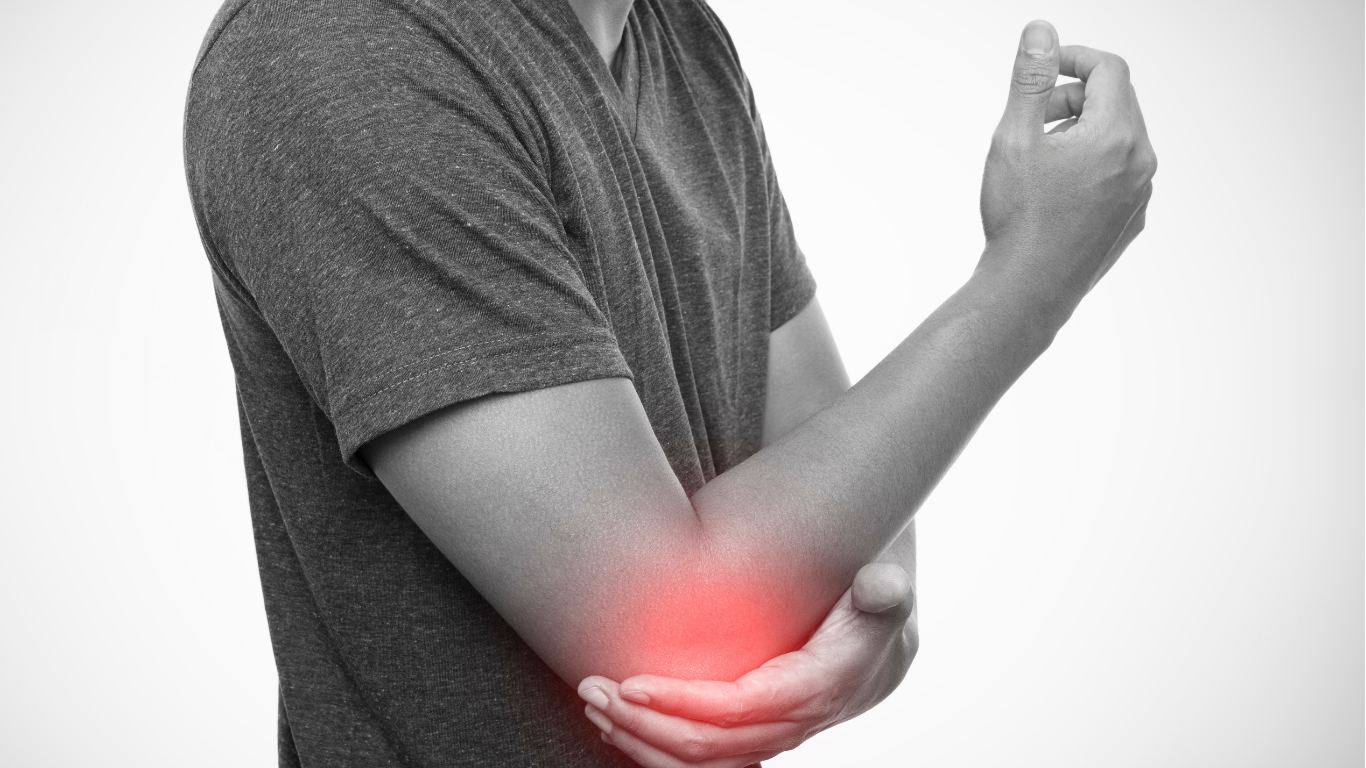
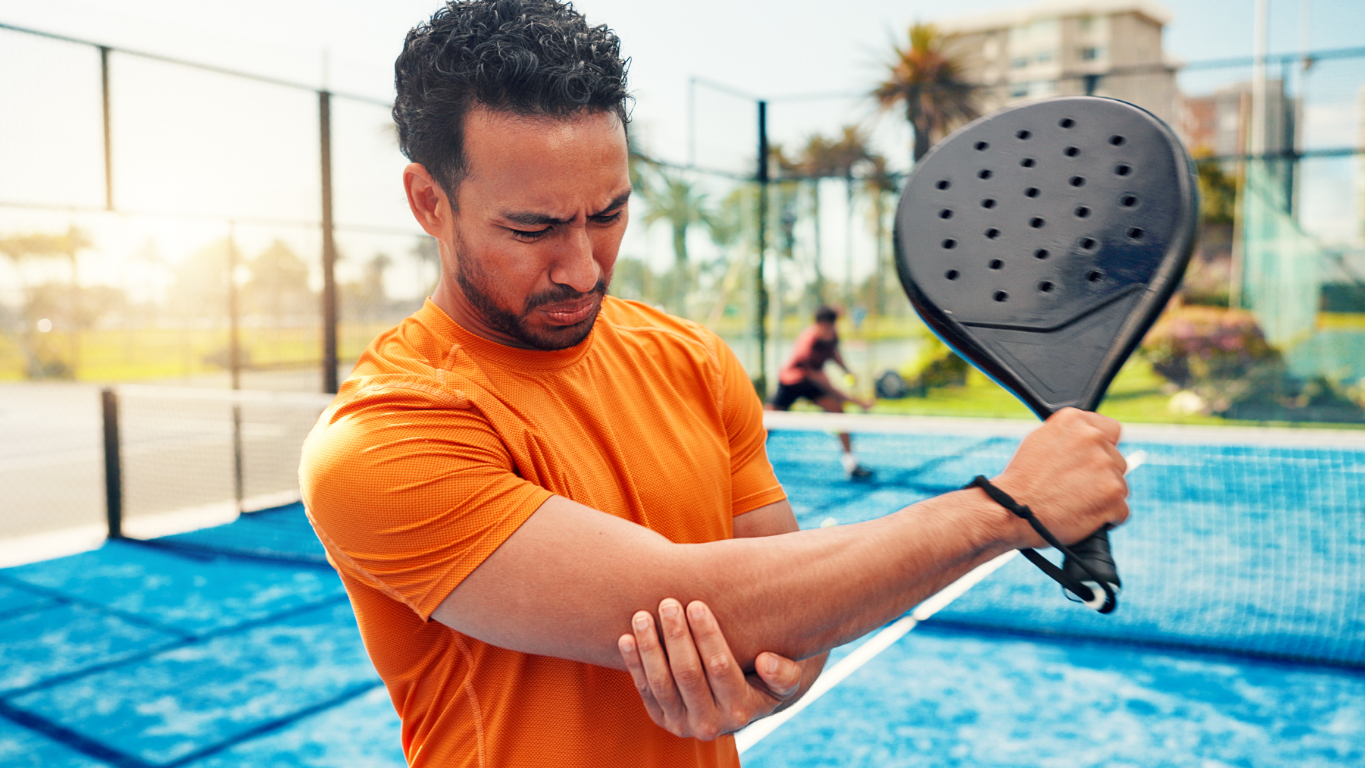
Tennis elbow (often called lateral epicondylitis) typically develops when the forearm tendons are repeatedly overloaded—commonly from gripping, lifting, wrist motion, racquet sports, yardwork, or hands-on jobs. The result can be tenderness on the outside of the elbow, reduced grip strength, and pain that flares with activity.
At MM Medical, tennis elbow treatment begins with a focused evaluation so your plan matches your daily demands—work, sport, parenting, training, and everything in between.

Signs You May Need Tennis Elbow Treatment
You don’t have to play tennis to develop tennis elbow. Many people first notice:
- Pain or burning on the outside of the elbow
- Discomfort when gripping, twisting, or lifting (even light objects)
- Weak grip strength or “giving out” with daily tasks
- Pain that worsens after repetitive use (tools, keyboard/mouse, gym, racquet sports)
- Symptoms that persist beyond a short rest period
If pain is lasting, recurring, or limiting your day-to-day life, an evaluation can help confirm what’s going on and rule out other causes of elbow or forearm pain.
Providing Tennis Elbow Treatment for patients located Near Forest Hills
Our expert team is ready to provide cutting-edge solutions with compassionate care. Schedule an appointment or call us at: (516) 960-1954
What to Expect at Your Tennis Elbow Treatment Visit at MM Medical
Your visit is centered on clarity and practical next steps. Depending on your symptoms, your appointment may include:
- A detailed review of where the pain is, what triggers it, and how it impacts work/sport
- A physical exam focused on tendon irritation, grip strength, and movement patterns
- Discussion of conservative care options and timelines for improvement
- If appropriate, a conversation about advanced options offered at MM Medical, including Platelet-Rich Plasma (PRP) Therapy for certain injuries and chronic pain conditions
You’ll leave with a plan that’s tailored—not a generic handout.
How Is Tennis Elbow Typically Treated Without Surgery?
Most tennis elbow cases improve with non-surgical tennis elbow treatment, especially when the plan reduces tendon strain and builds strength gradually. Common components may include:
Rest & activity modification
Not total inactivity—rather, reducing or changing the specific motions that trigger pain (gripping, twisting, repetitive wrist extension) while keeping you functional.
Ice and symptom control
Cold therapy is often used to decrease soreness after flare-ups. Your provider can guide what’s appropriate for your situation.
Medication guidance (when appropriate)
Some people use over-the-counter anti-inflammatory medications for short-term symptom relief. This isn’t right for everyone, so it’s best discussed with a clinician—especially if you have other medical conditions or take other medications.
Rehab-focused therapy recommendations
Targeted rehab is often the turning point—especially programs that emphasize gradual loading and
eccentric strengthening of the forearm muscles.
The goal of non-surgical tennis elbow treatment is to reduce irritation now while restoring tendon capacity so the pain is less likely to keep cycling back.
Do Braces and Straps Help Tennis Elbow?
For many people, a counterforce strap (worn on the forearm just below the elbow) can reduce strain on the irritated tendon during activity. Bracing is not a “cure,” but it can be a helpful tool to:
- Make daily tasks more tolerable while you rehab
- Reduce painful flare-ups during work or sport
- Support a gradual return to activity as symptoms calm
The best brace is the one you’ll actually use correctly—and that fits your activity. We can help you understand whether bracing makes sense in your tennis elbow treatment plan.
What Exercises and Physical Therapy Help Tennis Elbow Heal?
Rehab is often essential for lasting improvement. Many therapy plans focus on:
- Eccentric forearm strengthening (gradual loading to help tendon resilience)
- Stretching to improve flexibility through the wrist/forearm
- Grip strengthening that’s progressed carefully (not aggressively)
- Movement retraining for sport, gym, or job-related motions that keep re-irritating the tendon
Because the “right” exercises depend on your pain level, strength, and triggers, it’s best to follow a clinician’s guidance rather than pushing through a generic routine. Done correctly, rehab helps you rebuild function while minimizing setbacks.
Are Injections Used for Tennis Elbow Treatment?
In some cases—especially when symptoms persist despite solid conservative care—your provider may discuss injection-based options. These can vary, and not every option is appropriate for every patient.
At MM Medical, we offer Platelet-Rich Plasma (PRP) Therapy, which uses components from your own blood to support the body’s natural healing response. PRP is sometimes considered for stubborn tendon issues and chronic pain conditions. Results can vary, and it’s important to discuss realistic expectations, your specific diagnosis, and whether you’re a good candidate.
If you’re considering injections as part of tennis elbow treatment, we’ll walk you through benefits, limitations, and safety considerations based on your situation.
Platelet-Rich Plasma (PRP) Therapy for Tennis Elbow Treatment at MM Medical
For patients who have tried rest, rehab, and activity modifications but still can’t get traction, PRP therapy may be a discussion point. PRP is designed to support healing by concentrating platelets from your own blood and delivering them to targeted tissue.
PRP may be worth exploring if you’re dealing with:
- Persistent tennis elbow symptoms that interfere with work, sport, or training
- Recurring flare-ups despite consistent rehab efforts
- A desire to explore non-surgical options under medical guidance
PRP isn’t a guaranteed fix, and outcomes vary. But for the right candidate, it can be a meaningful part of a comprehensive tennis elbow treatment plan that also includes rehab and load management.
How Long Does Tennis Elbow Take to Heal?
Healing timelines vary based on severity, how long symptoms have been present, daily strain (work/sport), and consistency with rehab. Many people improve significantly with the right plan, but tennis elbow can take months to fully settle, and some cases may take up to 12–18 months to resolve.
That doesn’t mean you’ll be “stuck” for a year. The goal of tennis elbow treatment is to reduce pain, restore grip strength, and help you return to function as early and safely as possible—while continuing to build long-term resilience.
When Is Surgery Considered for Tennis Elbow?
Surgery is typically considered only after a prolonged period of conservative treatment that hasn’t produced enough improvement—often many months. If your symptoms are persistent and significantly limiting, your provider may discuss whether surgical evaluation is appropriate.
MM Medical offers Orthopedic Surgery services, and we can help you understand when surgery is (and isn’t) part of the conversation—based on your exam findings and response to non-surgical care.
Who Benefits Most From Tennis Elbow Treatment?
Tennis elbow treatment can be especially helpful for:
- People whose jobs require repetitive gripping, lifting, or tool use
- Athletes and active adults (tennis, golf, climbing, CrossFit, weight training)
- Office workers with persistent strain from keyboard/mouse posture and repetitive wrist use
- Anyone with ongoing outer-elbow pain that’s limiting daily tasks or sleep
Whether your pain started suddenly or built up over time, a structured plan can help you regain control and confidence in your elbow again.
Why Choose MM Medical for Tennis Elbow Treatment?
Choosing care for tendon pain isn’t just about stopping symptoms—it’s about getting a plan that’s realistic, medically grounded, and aligned with your lifestyle.
At MM Medical, patients choose us for:
- Expert-led care with a focus on sports medicine and orthopedic evaluation
- Access to Platelet-Rich Plasma (PRP) Therapy as part of advanced, non-surgical options
- A personalized approach that respects your goals, schedule, and activity level
- Convenient New York locations, including Forest Hills and Great Neck
Frequently Asked Questions About Tennis Elbow Treatment
Can tennis elbow come back after treatment?
Yes—tennis elbow can return if the tendon is repeatedly overloaded again, especially if grip strength and forearm capacity aren’t rebuilt. The best tennis elbow treatment plans don’t just calm pain; they also focus on progressive strengthening, activity adjustments, and technique changes that reduce the chance of recurring flare-ups.
Should I stop working out if I have tennis elbow?
Not necessarily. Many people can keep training with smart modifications—avoiding painful grips and movements while focusing on lower-body work, pain-free conditioning, and a structured rehab plan. A clinician can help you choose what to pause temporarily and what to keep so you maintain momentum without prolonging irritation.
Do I need imaging like an X-ray or MRI for tennis elbow treatment?
Often, tennis elbow can be diagnosed based on symptoms and a physical exam. Imaging may be considered if symptoms don’t match typical tennis elbow patterns, if there’s concern for another condition, or if pain isn’t improving as expected. Your provider can recommend what’s appropriate for your situation.
Is PRP therapy always the next step if rest and therapy don’t work?
Not always. PRP can be a consideration for certain patients, but the decision depends on how long you’ve had symptoms, your exam findings, your goals, and what you’ve already tried. If PRP is discussed, it should be part of a broader tennis elbow treatment plan that includes proper rehab and load management.
Do I need a referral to be seen for tennis elbow treatment at MM Medical?
Referral requirements can vary by insurance plan. If you’re unsure, MM Medical’s team can help you understand next steps for scheduling and what documentation—if any—your plan may require.
Schedule Your Tennis Elbow Treatment Appointment
If you’re ready for expert Tennis Elbow treatment and a plan you can actually follow, MM Medical is here to help.
Office Location (Forest Hills, NY): 76-55 Austin Street, Forest Hills, NY 11375
Call:
(516) 960-1954 |
(718) 897-2228
Business Hours: Mon–Fri 9:00am–5:00pm (Sat–Sun Closed)
If your pain is severe, follows a major injury, includes visible deformity, numbness/tingling down the arm, or chest pain, seek urgent/emergency care.
Schedule an Appointment
Take the First Step
Don't Let Pain Hold You Back Any Longer.
Our experienced medical team is ready to guide you toward lasting relief and better mobility with personalized, effective treatments.
Call us now: