




How Long Does Physical Therapy Take to See Results? A Comprehensive Guide to Recovery at MM Medical
Physical therapy (PT) plays a vital role in rehabilitation, assisting individuals in recovering from injuries, surgeries, and chronic pain. Not only does it help restore function and mobility, but it also empowers patients to regain control over their lives. Understanding the timeline associated with physical therapy is crucial for setting realistic expectations and motivating patients throughout their recovery journey.
At MM Medical, we believe that knowing how long it typically takes to see results in physical therapy can foster better communication between patients and therapists, enhancing the overall recovery experience.
Factors Influencing the Duration of Physical Therapy
The timeline for physical therapy is not one-size-fits-all; it varies significantly among individuals due to several factors:
- Individual Variability: Each person has a unique response to therapy based on their background, health, and pre-existing conditions.
- Type and Severity of Injury: More severe injuries or surgical recovery may require longer treatment times compared to minor injuries.
- Patient Motivation: A patient’s commitment to following their tailored home exercise plan and participating actively in sessions can expedite recovery.
- Personalized Treatment Plans: At MM Medical, our physical therapists create individualized plans that account for specific needs, which can significantly influence how quickly a patient sees improvements.
By understanding these factors, patients can approach their recovery with realistic goals and a clearer perspective.
Typical Duration for Different Conditions
Recovery timelines in physical therapy vary based on the type of condition being treated. Here’s a breakdown of common ailments and their expected recovery times:
- Post-Surgical Recovery: Recovery post-surgery typically ranges from a few weeks to several months, depending on the procedure's complexity and the patient's adherence to their rehabilitation plan.
- Sports Injuries: Athletes may see improvements within weeks, but full recovery could take several months, especially for serious injuries like ACL tears.
- Chronic Pain Management: Conditions like fibromyalgia may require ongoing therapy for several months to establish sustainable relief.
- Mobility Issues in Older Adults: Improvements in mobility can often be seen within weeks, but ongoing sessions may be necessary to maintain long-term health.
It’s important to remember that physical therapy is a gradual process. Early progress can often be observed, but cumulative improvements typically take longer to achieve.
In conclusion, understanding the factors influencing the duration of physical therapy and the typical timelines for various conditions can empower individuals to engage more meaningfully with their recovery. Managing expectations and fostering a proactive mindset are essential for making the most out of the physical therapy experience at MM Medical. We encourage you to book an appointment and explore how personalized physical therapy can aid your recovery journey.
The Process of Physical Therapy
Understanding the process of physical therapy is key to appreciating how it contributes to recovery and improved quality of life. At MM Medical, our approach begins with an initial assessment and evolves into a comprehensive therapy plan tailored to the patient’s unique needs.
Initial Assessment and Goal Setting
During the first appointment, your physical therapist will conduct a thorough evaluation. This involves assessing your physical condition, discussing your medical history, and identifying any specific pain areas or limitations you might be experiencing. Importantly, this initial assessment sets the stage for establishing achievable goals for your therapy.
Goal setting is a crucial step, as it not only aligns your expectations but also provides a clear path to measure progress over time. Whether the aim is to reduce pain, improve mobility, or enhance overall strength, having defined goals helps keep both you and your therapist focused and motivated.
Components of a Physical Therapy Plan
A typical physical therapy plan includes several key components designed to address your specific challenges and promote holistic recovery:
- Movement and Mobility Work: This focuses on improving flexibility and decreasing stiffness. Techniques may include stretching and specific exercises targeting restricted areas.
- Strength and Endurance Exercises: Tailored exercises are introduced to rebuild strength, particularly in areas weakened by injury or surgery. These help to enhance endurance, making it easier to engage in daily activities.
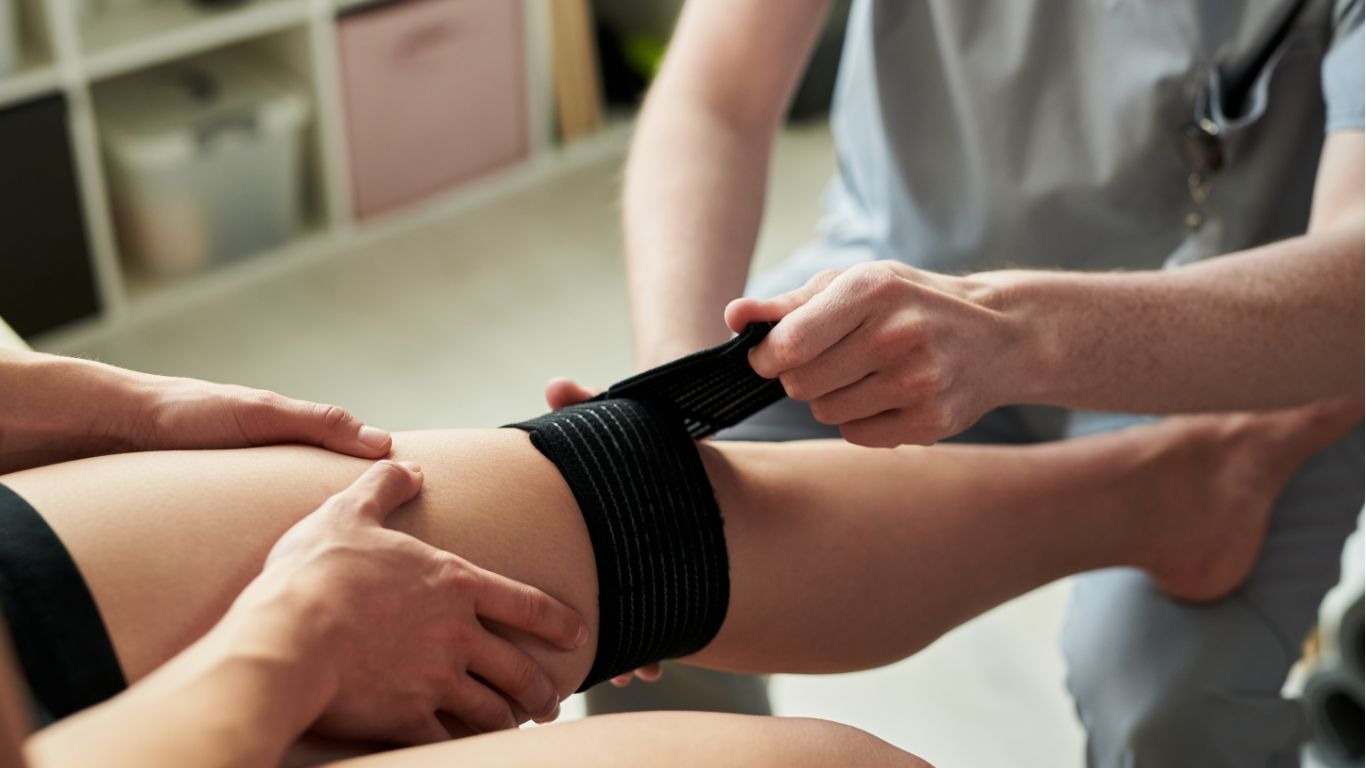
- Hands-on Techniques: Depending on your needs, your therapist may use manual therapy techniques to manipulate and mobilize soft tissues and joints, helping relieve pain and improve function.
- Patient Education: Understanding your body mechanics is vital. Your therapist will provide insights into posture and movements that could be contributing to your discomfort, empowering you with knowledge to manage your recovery.
- Home Exercise Plan: To ensure continued progress, you'll receive a customized home exercise program. This plan supports your rehabilitation outside the clinic, reinforcing gains made during sessions.
All these components connect and work together to achieve the best outcomes, ensuring that the improvements you make are not only significant but also sustainable.
Signs of Progress in Physical Therapy
One of the most encouraging aspects of physical therapy is recognizing the signs of progress. These indicators demonstrate that your therapy is effective:
- Reduced Pain Levels: A decrease in pain intensity during activities or at rest can be a primary indicator of your progress.
- Improved Mobility and Strength: Observing enhanced movement ability and strength is crucial. This could manifest as being able to perform daily tasks with greater ease.
- Increased Confidence: As physical therapy advances, many patients note heightened confidence in undertaking daily activities, participating in sports, or returning to work.
Realistic timelines for noticing these improvements can vary. While some benefits may be felt within the first few sessions, substantial progress commonly requires multiple weeks or months of dedicated therapy. Patience and persistence are essential components of recovery, and understanding your unique timeline will help prepare you for the journey ahead.
As you navigate through physical therapy, remember that the aim is not just immediate relief but a lasting change in how your body functions. At MM Medical, we are committed to supporting you every step of the way, fostering both short-term improvements and long-term health strategies.
Long-Term Benefits and Sustainability
As patients transition from physical therapy to independence, the skills acquired during therapy play a crucial role in maintaining long-term health and well-being. At MM Medical, we understand that recovery does not end when therapy concludes; rather, it marks the beginning of a journey toward sustained wellness.
Transitioning from Physical Therapy to Independence
One of the key elements of successful rehabilitation is the development of a home exercise plan that empowers patients to take charge of their recovery. This plan is designed to reinforce the progress made in therapy sessions and help individuals incorporate important exercises into their daily routines. Adjusting to new lifestyle habits is also essential; patients learn to recognize and implement healthy movement patterns that prevent injuries and enhance overall physical capability.
- Home Exercise Plans: These personalized routines are essential for reinforcing gains made during therapy. They often include flexibility, strength, and stability exercises tailored to the individual's needs.
- Understanding Body Mechanics: Education around body mechanics is emphasized, as it arms patients with the knowledge needed to avoid movements that might exacerbate pain or lead to re-injury.
- Long-Term Health Awareness: Patients are encouraged to stay active and conscious of their physical exertions, which is vital to sustaining the benefits achieved during therapy.
By understanding body mechanics and implementing learned practices, patients can enjoy greater confidence in their abilities and a more active lifestyle.
Maintaining Progress After Therapy
To ensure the hard work put into physical therapy yields lasting benefits, continuing with the right routines and exercises post-therapy is vital. Here are some suggestions:
- Regular Exercise: Incorporate cardiovascular, strength, and flexibility exercises. Aim for a diverse routine that includes activities like walking, swimming, or yoga, which can improve endurance and flexibility.
- Stay Engaged: Participate in community fitness classes or groups to keep motivated and accountable.
- Monitor Your Body: Keep track of any pain or discomfort in daily activities. Act quickly on any emerging issues to avoid exacerbating them.
- Seek Follow-Up Care if Necessary: If you feel that symptoms are returning, consider scheduling a follow-up appointment with your physical therapist to re-evaluate your condition.
Maintaining communication with healthcare providers can also enhance recovery and provide additional resources or support as needed.
Why Choose MM Medical for Your Physical Therapy Needs
At MM Medical, we pride ourselves on delivering personalized, high-quality care tailored to each patient’s unique situation. Our expert team is dedicated to creating comprehensive treatment plans designed to meet individual recovery goals.
Here are just a few reasons to choose MM Medical for your physical therapy journey:
- Tailored Approach: Our therapists create personalized treatment plans based on thorough assessments and ongoing evaluations.
- Expertise: With extensive experience in diverse physical therapy techniques, our team is committed to enhancing your recovery experience.
- Patient-Centric Care: We ensure that every patient feels supported and understood, fostering a collaborative environment for recovery.
Don't just take our word for it—our patients have shared their success stories highlighting the transformative impact of our services. If you’re ready to embark on a recovery journey guided by compassion and expertise, we encourage you to schedule an appointment with us today and discover how physical therapy can truly change your life.

Author:
MM Medical
MM Medical provides expert, compassionate care with advanced treatments to help you heal, move, and live pain-free.
Schedule an Appointment
Search
SHARE THIS POST:
Recent Post

Take the First Step
Don't Let Pain Hold You Back Any Longer.
Our experienced medical team is ready to guide you toward lasting relief and better mobility with personalized, effective treatments.
Call us now: