




Effective Ways to Treat Tennis Elbow Without Surgery: Expert Tips from MM Medical
Tennis elbow, medically known as lateral epicondylitis, is a painful condition that results from inflammation of the tendons in the elbow. While the name suggests it is primarily linked to the sport, this condition can actually arise from any activity that involves repetitive wrist and arm motions. Whether you are a weekend tennis player, a professional athlete, or someone with a job that requires repetitive arm movements, the risk of developing tennis elbow is real. Understanding this condition is crucial for effective treatment.
In essence, tennis elbow occurs due to repetitive straining of the forearm muscles and tendons, leading to micro-tears that cause pain and tenderness. Some common contributing factors include:
- Sports activities: Sports like tennis, squash, and racquetball are often associated with tennis elbow due to the nature of their motions.
- Occupational hazards: Jobs that require repetitive motions, such as painting, plumbing, or assembly line work, can contribute significantly.
- Aging: As we age, our tendons become less elastic and more prone to injuries.
- Improper technique: In sports, incorrect technique can increase strain on the elbow and forearm.
Timely and effective treatment of tennis elbow is vital to prevent it from becoming a chronic issue that could interfere with daily activities, from simple tasks like lifting groceries to performing one’s job. Ignoring the symptoms may lead to prolonged discomfort and complications in the long run.
Recognizing the Symptoms
Identifying the symptoms of tennis elbow is essential for starting the right treatment. Common symptoms include:
- Pain: A burning or aching sensation on the outside of the elbow is the hallmark of tennis elbow. The pain may radiate down the forearm.
- Tenderness: The outer part of the elbow may be sensitive to touch, making activities like shaking hands painful.
- Limitations in movement: Tasks such as gripping objects or even extending the arm can become challenging.
These symptoms can significantly affect daily life, restricting your ability to participate in sports, perform work tasks, or enjoy leisure activities. Without proper intervention, these symptoms can escalate, leading to chronic pain issues that are harder to rehabilitate.
As we enter the spring season and many people return to outdoor sports and activities, it is crucial to recognize and address these symptoms early. Over time, untreated tennis elbow can result in scar tissue development and may require more invasive treatments. Thus, being proactive about symptoms can save considerable time and discomfort.
If you believe you are experiencing symptoms of tennis elbow, don't wait for the pain to worsen. Seeking help sooner rather than later is key to effective recovery. Visit MM Medical for expert advice on how to treat tennis elbow without surgery .
Non-Surgical Treatment Options
When it comes to managing tennis elbow, there are several effective non-surgical treatment options that can significantly alleviate pain and facilitate recovery. These methods often begin with self-care strategies, progress to physical therapy, and may incorporate alternative treatments to enhance healing.
Initial Self-Care Strategies
Self-care plays a crucial role in the early stages of tennis elbow recovery. Here are some key strategies:
- Rest and Activity Modification: It’s essential to allow your elbow to rest. Avoid activities that exacerbate pain, and modify tasks as needed to prevent further strain on the elbow.
- Ice Therapy: Applying ice to the affected area can reduce inflammation and numb pain. Use ice packs for 15-20 minutes several times a day, especially after activities that initiate symptoms.
- Over-the-Counter Pain Relief: Nonsteroidal anti-inflammatory drugs (NSAIDs) such as ibuprofen or naproxen can help reduce pain and swelling. Always follow the dosage recommendations and consult a physician if you have any concerns.
Physical Therapy and Exercises
Engaging in physical therapy can accelerate recovery and restore function. Here’s how:
- Role of Physical Therapy: A physical therapist will assess your condition and recommend a tailored program that may include various modalities such as heat therapy, ultrasound, and manual therapy.
- Recommended Exercises: Specific exercises can strengthen the forearm muscles and improve flexibility. Gradually introduce these into your routine:
- Wrist Flexor Stretch: Extend your arm with your palm facing downward, gently pull back on your fingers to stretch the wrist flexors.
- Wrist Extensor Strengthening: Use a light weight to perform wrist extension exercises, which can help improve tendon strength.
Incorporating at-home exercises two to three times weekly will aid in recovery and ensure gradual improvement.
Alternative Treatments
Alongside conventional options, several alternative therapies may provide relief. Consider the following:
- Acupuncture: This ancient technique involves inserting thin needles into specific points on the body and may help relieve pain and reduce inflammation.
- Massage Therapy: Regular massage can improve circulation, reduce muscle tension, and promote healing within the strained muscles.
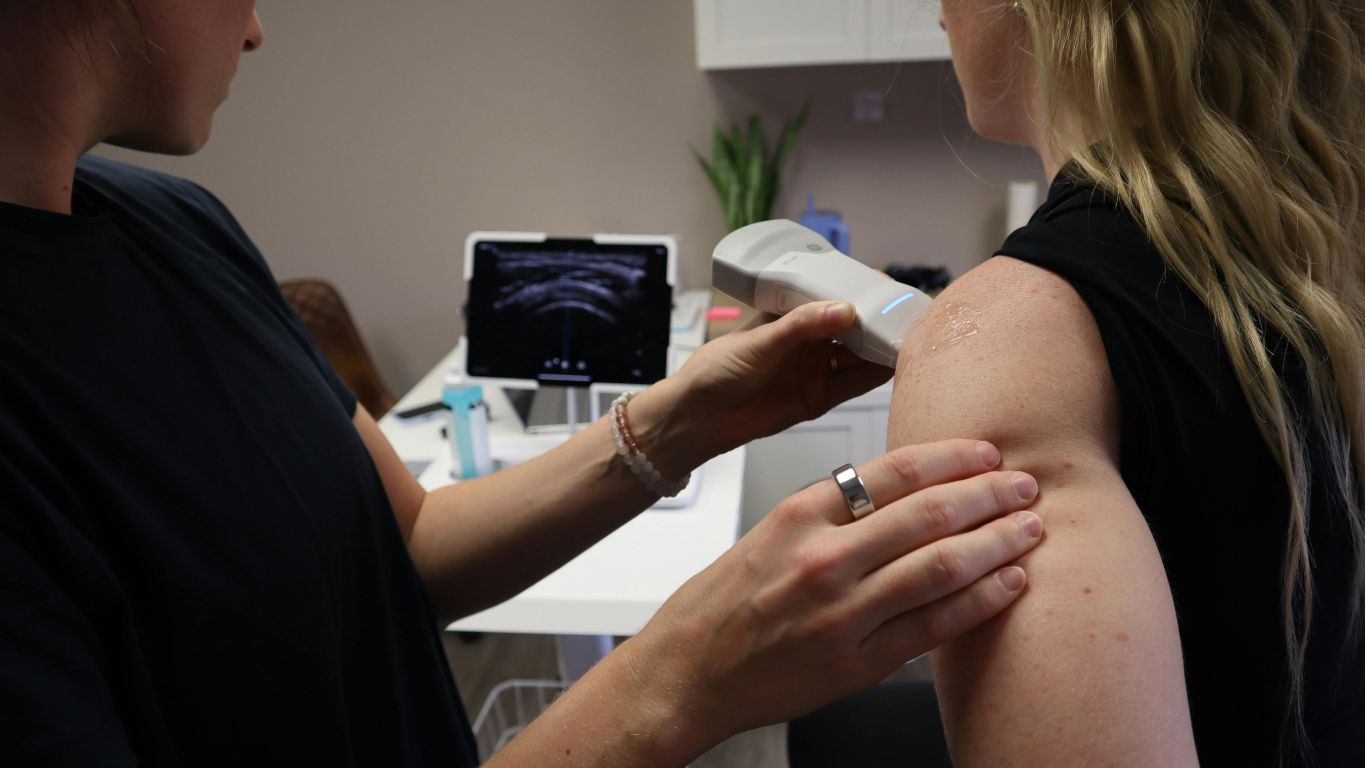
- Ultrasound Therapy: This technique uses sound waves to promote healing in the soft tissues affected by tennis elbow.
- Braces and Forearm Supports: A forearm brace can provide stability, reduce strain on the elbow, and alleviate pain during activities.
Nutrition also plays a supportive role in recovery. Consider incorporating anti-inflammatory foods rich in omega-3 fatty acids, antioxidants, and proteins into your diet. Supplements such as turmeric or omega-3 can be beneficial, but always consult a healthcare provider before starting any new supplement regimen.
Your path to recovery is important and personalized. Seeking guidance from professionals can help you understand how to treat tennis elbow without surgery effectively. Early intervention not only heals the injury but helps prevent it from becoming a chronic condition, allowing you to return to your activities pain-free.
Seeking Professional Help
While self-care and non-surgical treatments can effectively manage tennis elbow, there are times when consulting a specialist becomes essential. Understanding when to seek professional help is crucial for your recovery journey.
When to Consult a Specialist
It is vital to recognize the signs that indicate a need for medical attention:
- Persistent Pain: If your elbow pain does not improve with rest and self-care after a few weeks, it's time to seek professional advice.
- Severe Pain or Swelling: Intense pain that limits your range of motion or significant swelling around the elbow is a signal to consult a specialist.
- Difficulty in Daily Activities: If your symptoms interfere with routine activities or sports, you should not hesitate to reach out for help.
During your consultation with MM Medical , you can expect a thorough evaluation where your doctor will assess your symptoms, medical history, and potentially conduct imaging tests to confirm the diagnosis. An accurate diagnosis is crucial as it informs the development of a tailored treatment plan catered to your specific needs.
Personalized Treatment Plans at MM Medical
At MM Medical, we recognize that every patient is unique. Our comprehensive assessment process allows us to identify the best course of action based on individual circumstances. Here’s what you can expect:
- Comprehensive Assessment: Our specialists begin with a detailed assessment, which may include visual examinations and functional tests.
- Customized Non-Surgical Treatment Plans: Based on your evaluation, our team will formulate a personalized treatment plan that may encompass physical therapy, specially designed exercises, and other non-invasive techniques.
- Success Stories: Many patients have successfully recovered from tennis elbow at our facility, regaining full function and returning to their activities pain-free. Their testimonials speak to the effectiveness of our tailored approaches.
Conclusion and Call to Action
In conclusion, addressing tennis elbow promptly and effectively is paramount to prevent long-term complications. Engaging in early non-surgical treatment options can lead to significant relief and a speedy recovery. If you are struggling with the discomfort of tennis elbow, do not hesitate to seek help. Our team at MM Medical is here to assist you in understanding how to treat tennis elbow without surgery and to work together towards your recovery. Reach out today and book an appointment for a consultation. Your well-being and a pain-free life are just a call away!

Author:
MM Medical
MM Medical provides expert, compassionate care with advanced treatments to help you heal, move, and live pain-free.
Schedule an Appointment
Search
SHARE THIS POST:
Recent Post

Take the First Step
Don't Let Pain Hold You Back Any Longer.
Our experienced medical team is ready to guide you toward lasting relief and better mobility with personalized, effective treatments.
Call us now: