




Understanding When to Get Injections for Tennis Elbow: A Comprehensive Guide
Tennis elbow, clinically known as lateral epicondylitis, is a common condition that affects many people, not just those who play tennis. It occurs when the tendons in the elbow become inflamed or degenerated due to overuse, resulting in pain and discomfort. This injury typically arises from repetitive wrist and arm motions, causing strain on the elbow’s tendons.
Recent studies have shown that approximately 1-3% of the adult population will experience tennis elbow at some point in their lives. Various factors predispose individuals to this condition, such as age, occupations involving repetitive actions (like painting, carpentry, and even typing), and sports activities. Those between the ages of 30 and 50 are particularly at risk.
Causes and Symptoms
Understanding the causes and symptoms of tennis elbow is essential for early intervention. This condition often stems from activities that require repetitive elbow and wrist movements. Common culprits include:
- Sports like tennis, squash, or racquetball.
- Manual labor jobs involving mechanic work or assembly line tasks.
- Common household activities such as gardening or painting.
Symptoms of tennis elbow typically start slowly and may include:
- Pain and tenderness on the outer part of the elbow.
- Pain that worsens with gripping or lifting objects.
- Weakness in the forearm.
- Difficulty with everyday tasks like shaking hands or turning a doorknob.
If left untreated, tennis elbow can lead to chronic pain and limited mobility, significantly affecting your quality of life. Over time, the inflammation can cause further damage to the elbow joint, making recovery more challenging.
Initial Treatment Options
When faced with tennis elbow, it’s crucial to begin treatment promptly to avoid the progression of symptoms. Many patients find relief through conservative treatment options, usually recommended by healthcare professionals as the first line of defense. These include:
- Rest: Allowing the elbow to heal by minimizing activities that cause pain.
- Ice Therapy: Applying ice packs to reduce swelling and relieve pain.
- Physiotherapy: Engaging in physical therapy to strengthen the muscles around the elbow and improve flexibility.
Early intervention plays a vital role in preventing further damage and ensuring a quick recovery. If you suspect you have tennis elbow, you can conduct a self-assessment to determine the severity of your condition. Pay attention to:
- The level of pain during everyday activities.
- Increased discomfort after specific tasks.
- The duration of symptoms and whether they persist despite rest.
Recognizing these signs early and addressing them can lead to a better outcome. If symptoms persist or worsen despite conservative treatments, it may be time to explore further options, such as injections. To learn more about our services and how we can help you with tennis elbow treatment, visit MM Medical.
Knowing When to Consider Injections
As tennis elbow can be a frustrating and painful condition, recognizing when to escalate treatment is crucial for recovery. Injections can play a significant role in alleviating symptoms when conservative methods do not provide sufficient relief.
Understanding Corticosteroid and Platelet-Rich Plasma (PRP) Injections
Two primary types of injections can be considered for tennis elbow: corticosteroid injections and platelets-rich plasma (PRP) injections. Each has its mechanism and effectiveness, making it essential to explore their options.
- Corticosteroid Injections: These injections deliver anti-inflammatory medications directly to the site of pain, providing quick relief from the inflammation associated with tennis elbow. While they can be effective, repeated use may lead to tendon weakening or other complications.
- Platelet-Rich Plasma (PRP) Injections: This innovative treatment involves drawing a small amount of blood from the patient, processing it to concentrate the platelets, and then injecting the PRP into the affected area. PRP is believed to accelerate healing by promoting tissue regeneration and reducing inflammation. Although promising, this method might require multiple sessions for optimal results.
Both injection types have pros and cons. Corticosteroids provide rapid relief but may not address the underlying issue if used excessively. On the other hand, PRP offers a more natural healing process with fewer risks, but the treatment can be costlier and not universally covered by insurance.
Indications for Injections
Determining the right timing for injections involves a careful evaluation of symptoms and treatment history. Here are some key indicators that injections might be necessary:
- If you've tried conservative treatments like rest, ice, and physiotherapy for several weeks with little to no improvement.
- Signs of persistent pain that interferes with daily activities or job responsibilities.
- The presence of significant swelling or tenderness on the outer elbow, indicating inflammation.
- A healthcare professional’s assessment that suggests your condition might benefit from more invasive treatment.
It is advisable to consult with a healthcare provider about your condition. They can help evaluate the severity of tennis elbow and determine if injections even corticosteroid or PRP are justified based on your specific case.
Personal Stories and Case Studies
Hearing from those who have experienced the benefits of injections can provide valuable insights. Here are a few testimonials from patients who opted for injections:
- Maria, 42: After struggling with tennis elbow for months and exhausting physiotherapy, I chose corticosteroid injections. Within days, I felt a significant reduction in pain and could return to playing my favorite sports.
- Tom, 37: My tennis elbow was affecting my job as a carpenter. I decided to try PRP injections. Although it took a couple of weeks, I started noticing positive changes. Now, I'm back to work without pain!
- Linda, 50: I suffered from chronic elbow pain that interfered with everyday tasks. After discussing my options with my doctor, I received a PRP injection. The results were remarkable. I experienced less pain and regained range of motion in my elbow.
These personal stories highlight the potential efficacy of injections for improving quality of life and restoring functionality in individuals suffering from tennis elbow. If you're considering the possibility of treatment options like injections, visit MM Medical to learn more about how we can assist you with your recovery journey.
Getting the Right Treatment at MM Medical
When it comes to managing tennis elbow effectively, choosing the right treatment provider is essential. At MM Medical , our team is dedicated to providing personalized care tailored to each patient's needs. Here’s why we stand out as the go-to choice for tennis elbow treatment:
- Expertise: Our staff consists of experienced medical professionals with a deep understanding of musculoskeletal conditions. We pride ourselves on staying updated with the latest treatment protocols.
- Advanced Treatment Options: We offer a variety of treatments, including conservative therapies, injections, and comprehensive rehabilitation programs to ensure a holistic approach to your recovery.
- Patient-Centered Care: We prioritize your comfort and recovery, ensuring you feel supported throughout your treatment journey.
What to Expect During the Injection Process
Understanding what happens during the injection process can alleviate any concerns you may have. Here’s a step-by-step overview of what to expect at MM Medical when receiving an injection for tennis elbow:
- Initial Consultation: During your consultation, our medical staff will evaluate your symptoms, review your history, and determine if injections are the right option for you.
- Preparation: If injections are deemed appropriate, you will be prepared for the procedure, which may include some localized numbing to minimize discomfort.
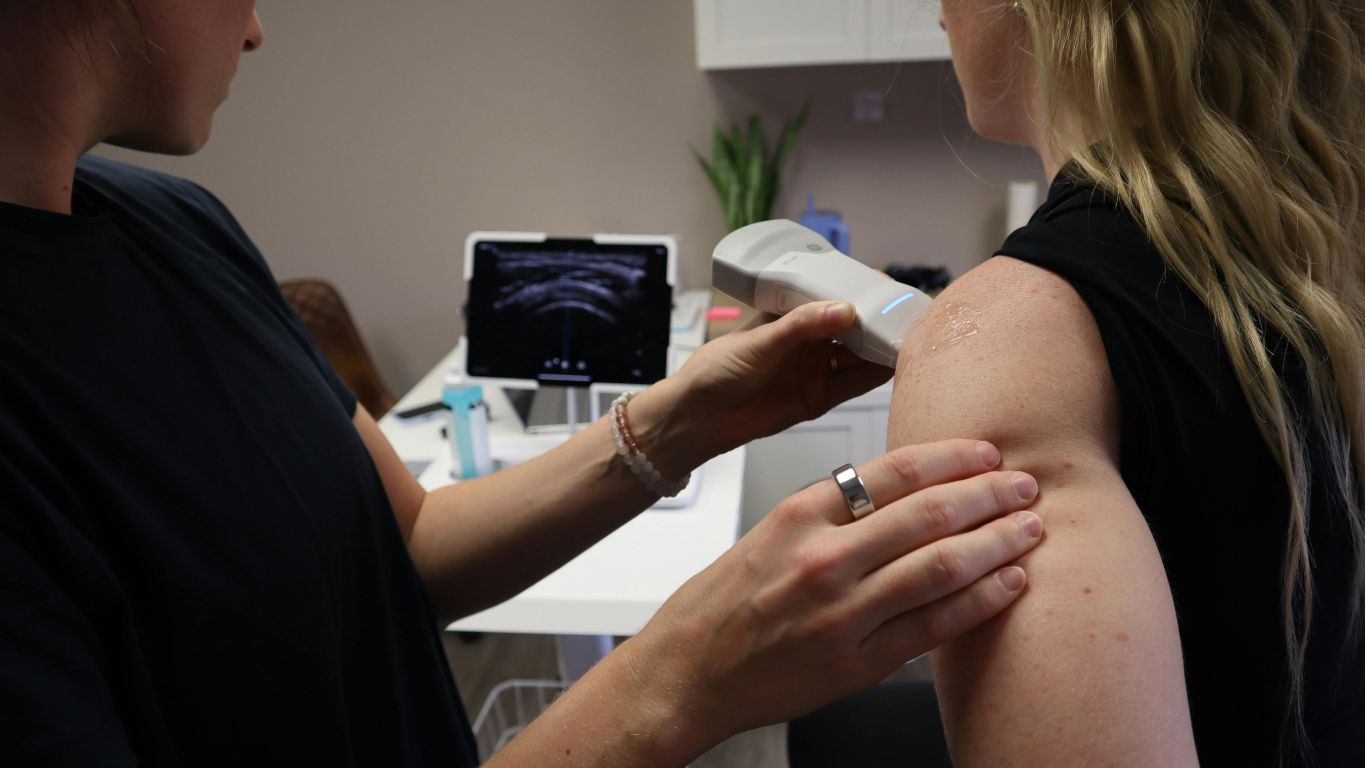
- Injection Procedure: The selected injection, whether corticosteroid or PRP, is delivered directly to the site of inflammation using precise imaging techniques to ensure accuracy.
- Post-Injection Care: After the injection, you will receive care instructions, which may include rest, ice application, and recommendations for gradually returning to normal activities.
Recovery times can vary depending on the treatment type. Generally, patients can expect some improvement within a few days, but it may take longer for the full benefits to be realized. Follow-up appointments are crucial for monitoring your recovery and making any necessary adjustments to your treatment plan.
Conclusion: Taking the Next Step
Determining when to get injections for tennis elbow is an important step towards regaining pain-free movement and functionality in your arm. At MM Medical, we focus on providing individualized assessments and targeted treatments designed to improve your condition. Don’t let tennis elbow hold you back any longer—take action today!
If you’re experiencing persistent elbow pain and think injections might be right for you, we encourage you to reach out to us. Consult with our specialists to evaluate your situation and explore the best treatment options available. You deserve to enjoy your daily activities without the limitations of tennis elbow!
Call to Action
Ready to take the next step in managing your tennis elbow? Schedule a consultation with MM Medical today by visiting our website or calling us directly. Together, we can help you reclaim your mobility and quality of life. For more information, check out our resources on tennis elbow treatment.

Author:
MM Medical
MM Medical provides expert, compassionate care with advanced treatments to help you heal, move, and live pain-free.
Schedule an Appointment
Search
SHARE THIS POST:
Recent Post



Take the First Step
Don't Let Pain Hold You Back Any Longer.
Our experienced medical team is ready to guide you toward lasting relief and better mobility with personalized, effective treatments.
Call us now: