
How to Improve Range of Motion After an Injury: Understanding Its Importance
Introduction
Range of motion (ROM) refers to the full movement potential of a joint, typically measured as the distance and direction a joint can move. It's crucial for everyday activities, whether it's getting out of bed, reaching for an object, or participating in sports. A healthy ROM enhances physical performance and ensures overall joint health.
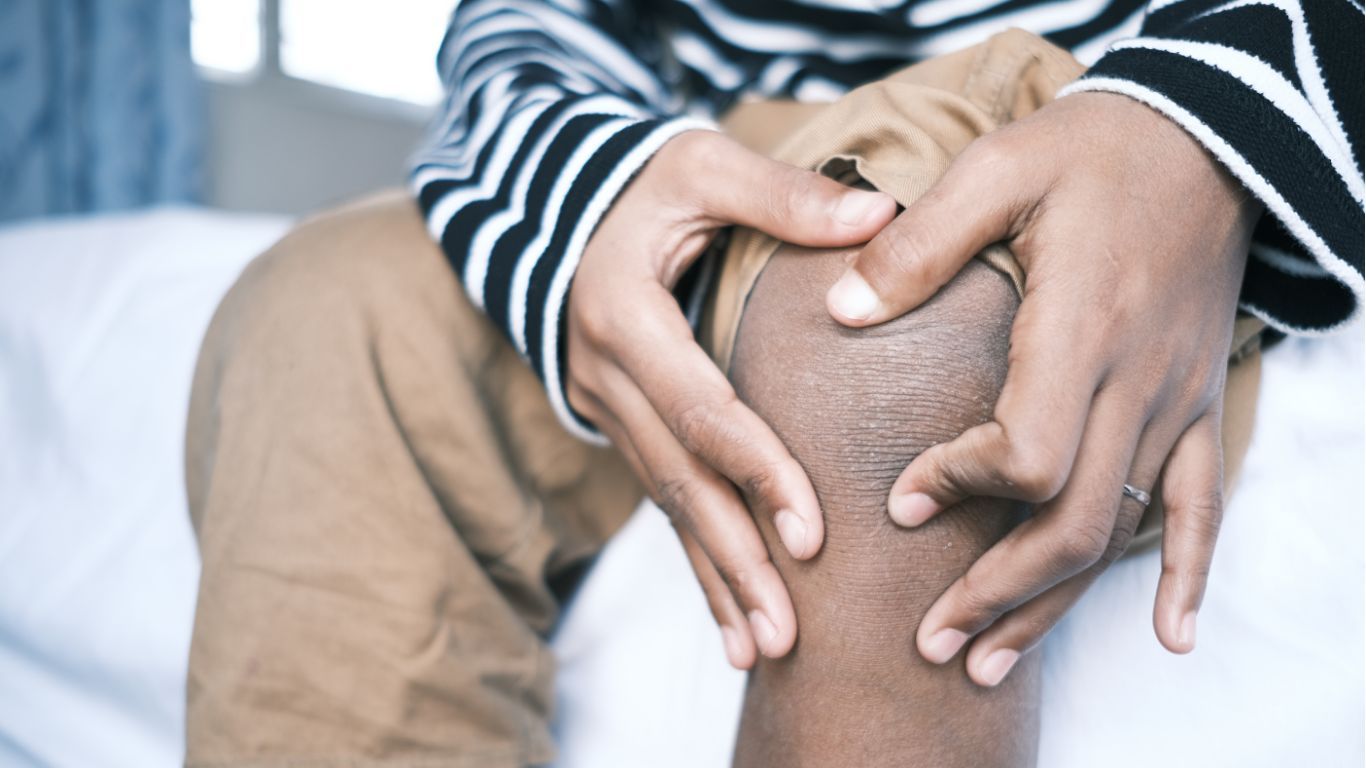
However, injuries can significantly limit a person's range of motion, impacting their quality of life. Conditions such as sprains, fractures, or tendon injuries can result in pain and stiffness, further restricting movement. At MM Medical, we specialize in Physical Medicine and Rehabilitation (PM&R) to help individuals regain their mobility and independence.
The Anatomy of Movement
To understand how to improve range of motion after an injury, it’s vital to grasp the anatomy involved in movement. The musculoskeletal system, including muscles, bones, and joints, plays a significant role in enabling our bodies to move freely. The nervous system also contributes by sending signals from the brain to muscles, guiding movements and ensuring coordination.
Common injuries that impact range of motion include:
- Sprains: Injuries to ligaments, which can cause swelling and pain.
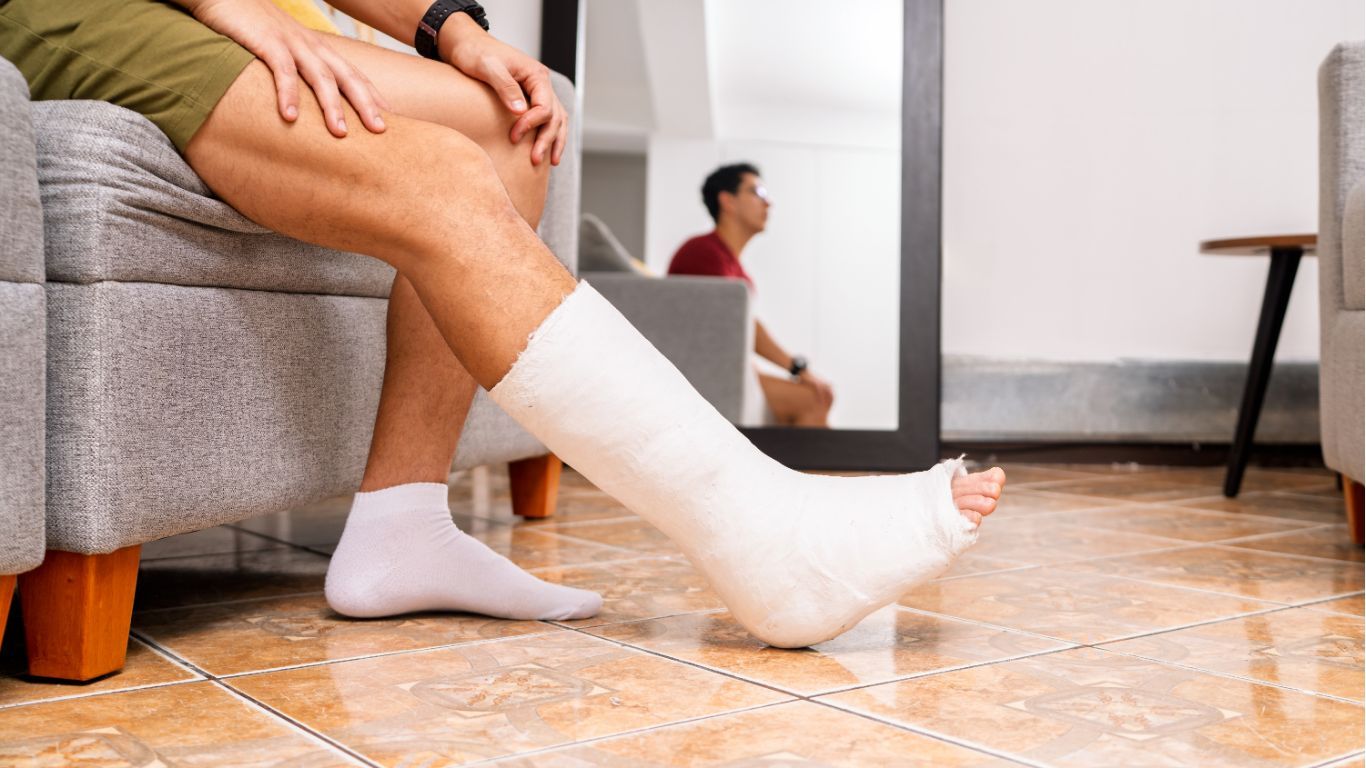
- Fractures: Broken bones that often require immobilization and lead to stiffness.
- Tendon injuries: Damage to tendons can restrict the movement and cause pain.
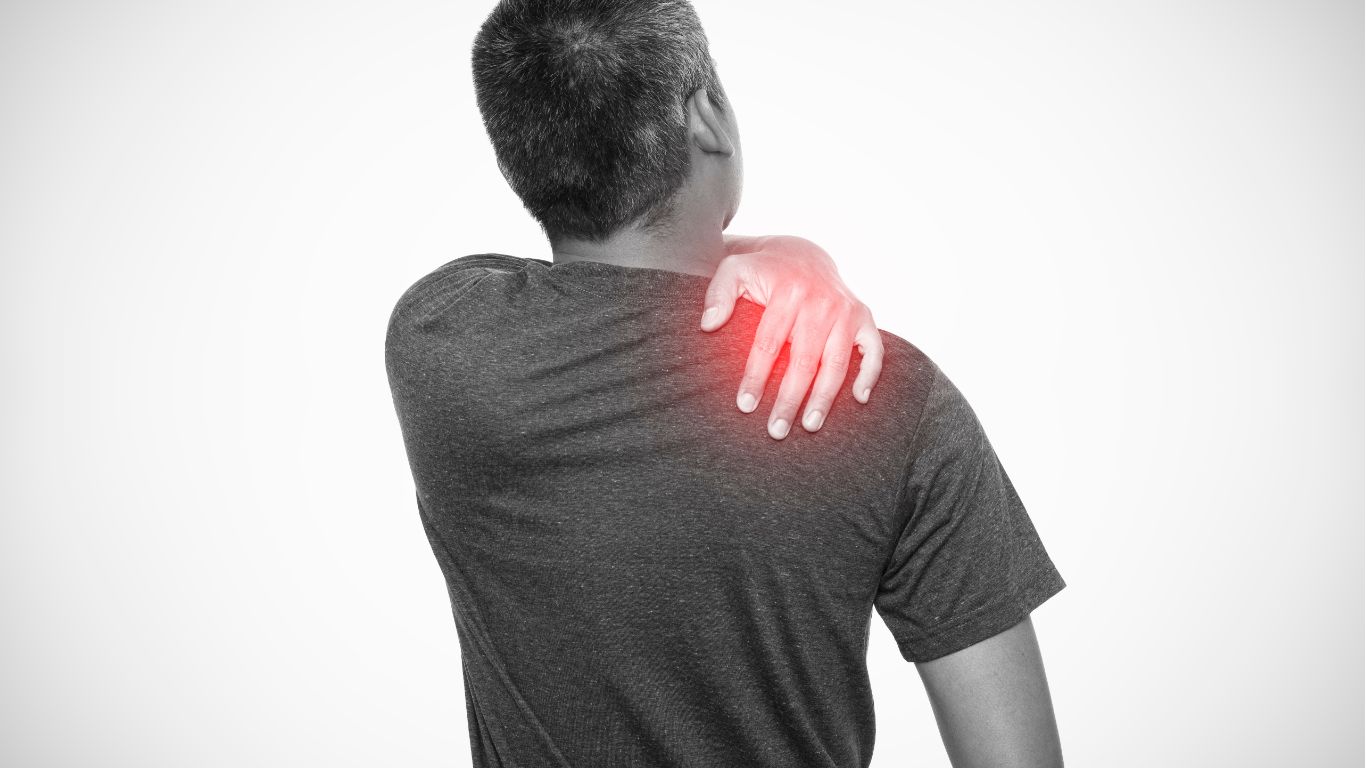
Pain and stiffness resulting from these injuries often lead to compensatory movements, where individuals adjust their way of moving to avoid discomfort. Unfortunately, this can further limit their range of motion and may result in additional injuries.
Consequences of Limited Range of Motion
Limited range of motion can have various consequences, both physical and psychological. Physically, individuals may experience:
- Pain: Chronic pain can result from overusing nearby muscles as they compensate for restricted joints.
- Weakness: Muscles may weaken due to disuse or altered movement patterns.
On a psychological level, reduced mobility can lead to frustration and decreased motivation, making rehabilitation more challenging. It's essential to address ROM limitations early to prevent long-term consequences, which is where MM Medical can assist you in developing a comprehensive rehabilitation plan.
Understanding the impacts of limited ROM can empower individuals to take action and seek help. The journey to recovery starts with recognizing the importance of regaining mobility for both physical and emotional well-being.
Strategies to Improve Range of Motion after an Injury
Recovering from an injury can be a challenging process, but implementing effective strategies can significantly enhance your range of motion (ROM) and overall function. At MM Medical, we focus on personalized rehabilitation plans that cater to the unique needs of each patient. Here are key strategies to consider:
Evaluation and Personalized Planning
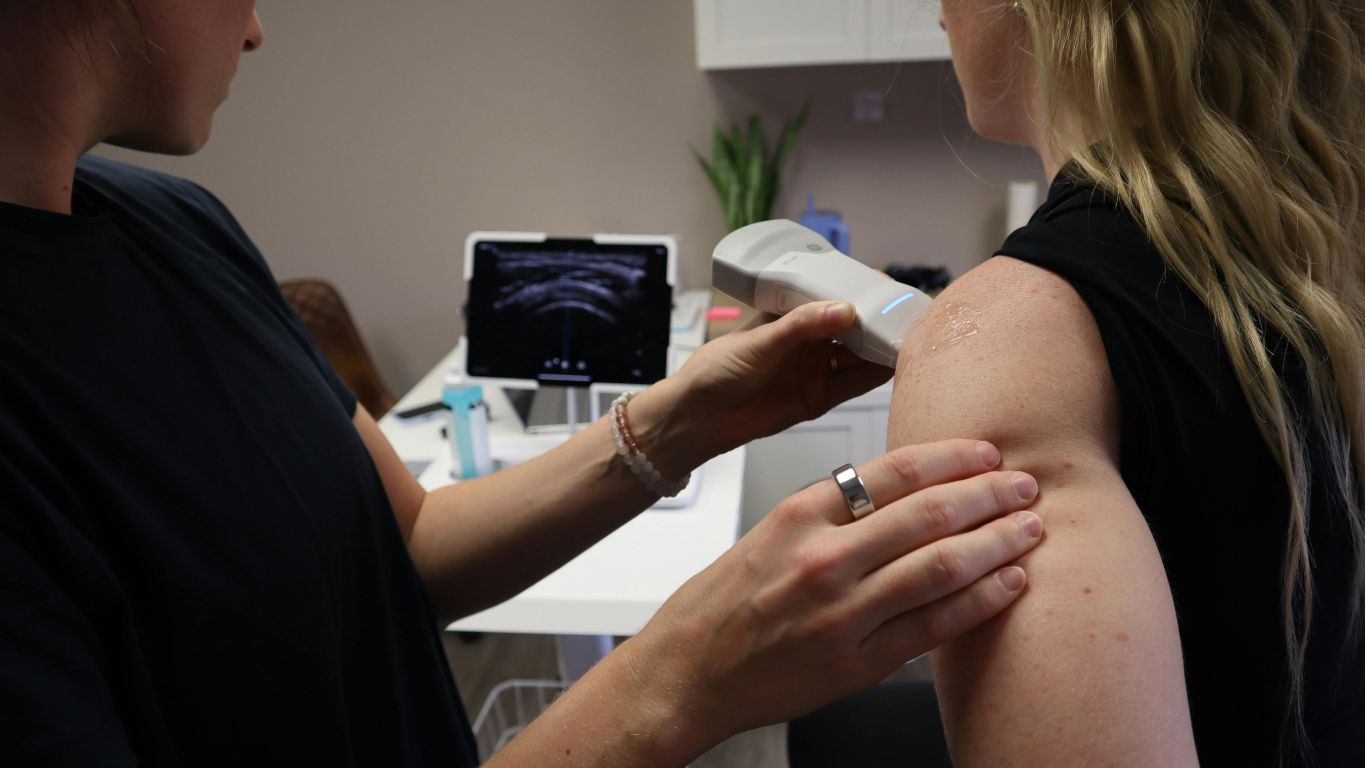
Before embarking on your rehabilitation journey, a thorough initial evaluation is essential. At MM Medical, our specialists conduct a comprehensive assessment that includes:
- Physical Examination: Evaluating joint flexibility, strength, and pain levels.
- Functional Assessment: Understanding how limitations impact your daily activities.
- Medical History Review: Considering past injuries and treatments.
This evaluation helps develop a personalized rehabilitation plan tailored to your specific lifestyle and goals. With a clear roadmap in place, you can effectively work towards improving your ROM and regaining confidence in your movements.
Non-Surgical Treatment Options
For those looking for alternatives to surgery, PM&R offers a range of conservative treatment options. These can include:
- Medications: Non-steroidal anti-inflammatory drugs (NSAIDs) to manage pain and inflammation.
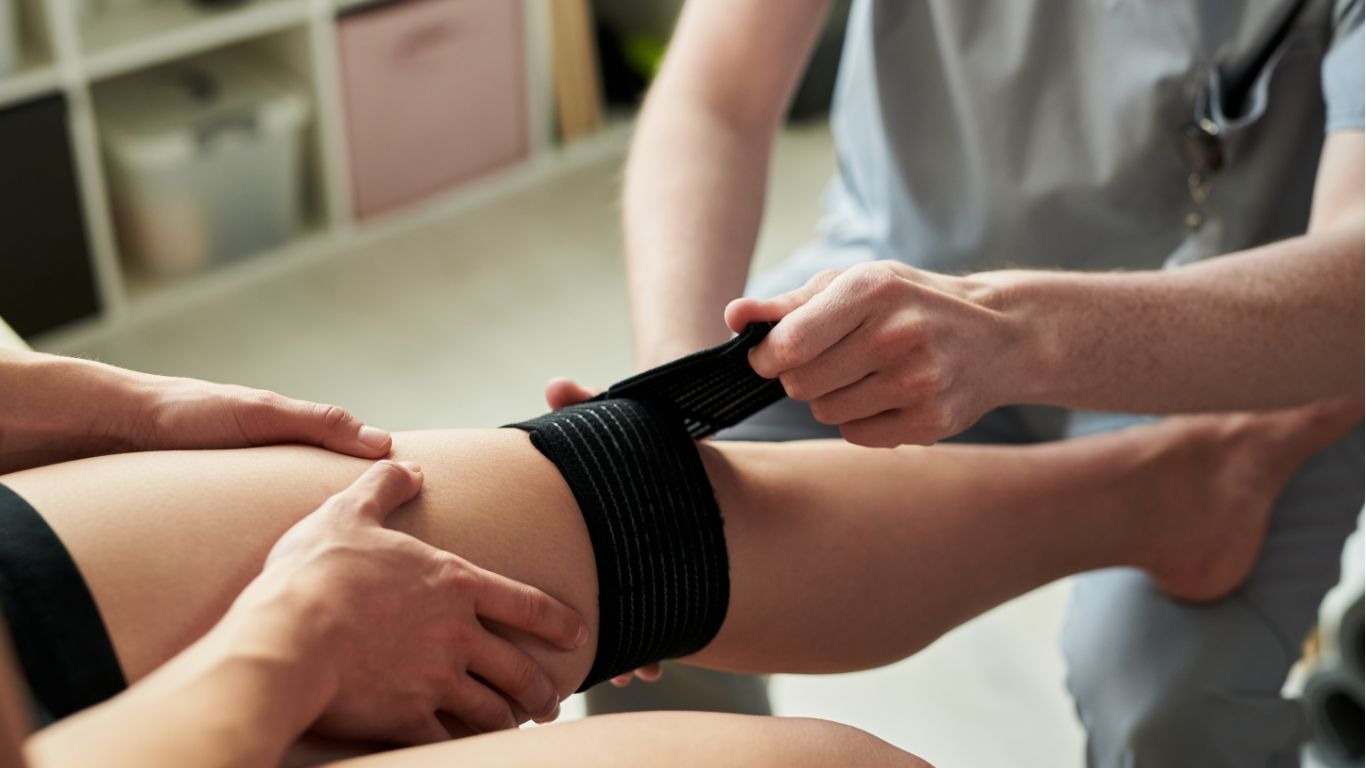
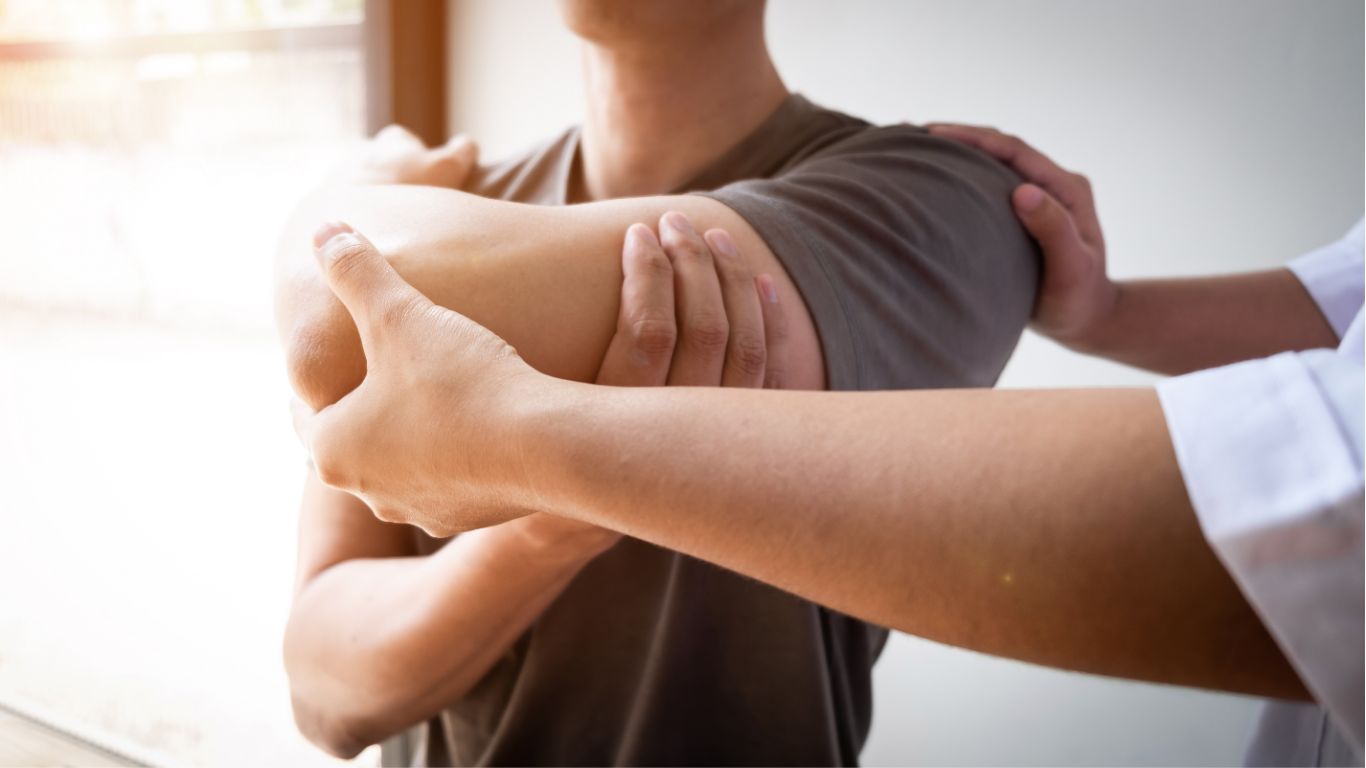
- Physical Therapy: Techniques such as manual therapy and modalities to facilitate recovery.
- Occupational Therapy: Aimed at improving daily functioning and adapting tasks.
Utilizing mechanical and manual therapies can also be instrumental in enhancing muscle relaxation and promoting better joint mobility. It's crucial to consult with a specialist to determine which therapies will best suit your needs.
Rehabilitation Exercises for Enhanced Mobility
Incorporating targeted exercises into your rehabilitation routine is vital for improving ROM. Here are some effective exercises that can be adapted based on your condition:
- Stretching: Gentle stretches can help improve flexibility; hold each stretch for at least 20-30 seconds.
- Strengthening Exercises: Targeting weak muscles around the injured area can promote better joint support.
- Range of Motion Exercises: Simple movements like arm circles or ankle pumps enhance joint flexibility.
Consistency is key when performing these exercises. Gradual progression is essential, ensuring you’re not overexerting yourself, which could lead to setbacks. Working with a physiatrist at MM Medical can help you select the right exercises and modifications tailored to your recovery process.
Incorporating Daily Movements to Boost Recovery
Integrating mobility practices into your daily life can remarkably aid your recovery journey. Here are some practical tips:
- Ergonomic Adjustments: Modify your workspace to reduce strain on your joints throughout the day.
- Stretch Breaks: Take regular breaks to perform light stretching, especially during long periods of sitting.
- Engaging Activities: Activities such as swimming or yoga not only enhance mobility but also promote relaxation and mental well-being.
By incorporating these strategies into your routine, you can work towards enhancing your range of motion and ultimately, your quality of life. Remember, your rehabilitation is a journey, and the team at MM Medical is here to support you every step of the way.
Long-term Strategies and When to Seek Help
As you embark on your journey to regain range of motion (ROM) after an injury, it's essential to establish sustainable strategies for long-term recovery. Setting realistic goals can provide you with direction and motivation as you work towards improving your mobility.
Setting Realistic Goals for Recovery
Recovery is a process that requires time, patience, and dedication. By setting measurable and realistic goals, you can maintain focus on your rehabilitation journey. Consider the following when setting your objectives:
- Short-term Milestones: Focus on small, manageable achievements that can bring immediate satisfaction and encourage continued effort.
- Long-term Vision: Have a larger goal in mind, such as returning to an activity you love or achieving a specific level of independence.
- Track Your Progress: Keeping a record of your improvements can help you stay motivated and provide evidence of your journey.
Establishing a routine that includes regular exercises, stretching, and therapeutic practices can help you stay committed to your goals. Remember, adjusting your targets along the way as your recovery progresses is also a part of the process.
Monitoring Progress and Adjusting Plans
Periodic assessments of your ROM improvements are vital to ensure you're on the right path to recovery. Here are some strategies for effective monitoring:
- Log Your Activities: Keep a detailed record of your exercises, pain levels, and any changes in mobility.
- Reassess Goals: Regularly evaluate your objectives and modify them based on your progress and feedback from your healthcare provider.
- Seek Guidance: Maintain open lines of communication with your physiatrists and rehab team to discuss any obstacles or concerns you may be facing.
Regular follow-up visits with your healthcare provider at MM Medical can ensure that your rehabilitation plan evolves to meet your ongoing needs, allowing for timely adjustments to optimize recovery.
Knowing When to Seek Professional Help
Although self-directed recovery is possible, certain signs indicate that it's time to consult a physiatrist:
- Persistent Pain: If you experience ongoing discomfort that doesn’t improve with your current regimen, it's crucial to seek professional advice.
- Plateaued Progress: A lack of improvement over an extended period may require a reassessment of your treatment plan.
- Deteriorating Mobility: If your range of motion worsens or new symptoms develop, consult with a specialist to prevent further complications.
At MM Medical, our team is dedicated to taking a comprehensive approach to your rehabilitation, ensuring that every aspect of your care is connected. By understanding when to reach out for help, you empower yourself on the path to recovery.
Conclusion
Improving range of motion after an injury involves a multifaceted approach that requires diligence and a well-structured plan. By setting realistic goals, monitoring your progress, and understanding when to seek professional assistance, you can significantly enhance your recovery journey. Don’t hesitate to take proactive steps and consider reaching out to MM Medical for personalized PM&R services tailored to your specific needs. Start on the path to better movement and recovery today—book an appointment and get back to living life to the fullest!

Author:
MM Medical
MM Medical provides expert, compassionate care with advanced treatments to help you heal, move, and live pain-free.
Schedule an Appointment
Search
SHARE THIS POST:
Recent Post
Take the First Step
Don't Let Pain Hold You Back Any Longer.
Our experienced medical team is ready to guide you toward lasting relief and better mobility with personalized, effective treatments.
Call us now: