


How to Know if Pain is from Movement Mechanics: Understanding the Role of PM&R
Understanding the relationship between movement mechanics and pain is vital for anyone experiencing discomfort during daily activities. This blog explores how these two elements interact and the role that Physical Medicine and Rehabilitation (PM&R) plays in addressing pain issues.
Definition of Movement Mechanics
Movement mechanics refers to the study of how the body moves and functions, specifically focusing on the efficiency and effectiveness of movement patterns. It encompasses the mechanics of how our joints, muscles, and nervous system work together to facilitate movement. Good movement mechanics are essential for performing tasks efficiently, whether at work, in sports, or during everyday activities such as walking or lifting objects. When movement mechanics are flawed, it may lead to compensatory patterns that can cause pain and discomfort.
The Connection Between Pain and Movement
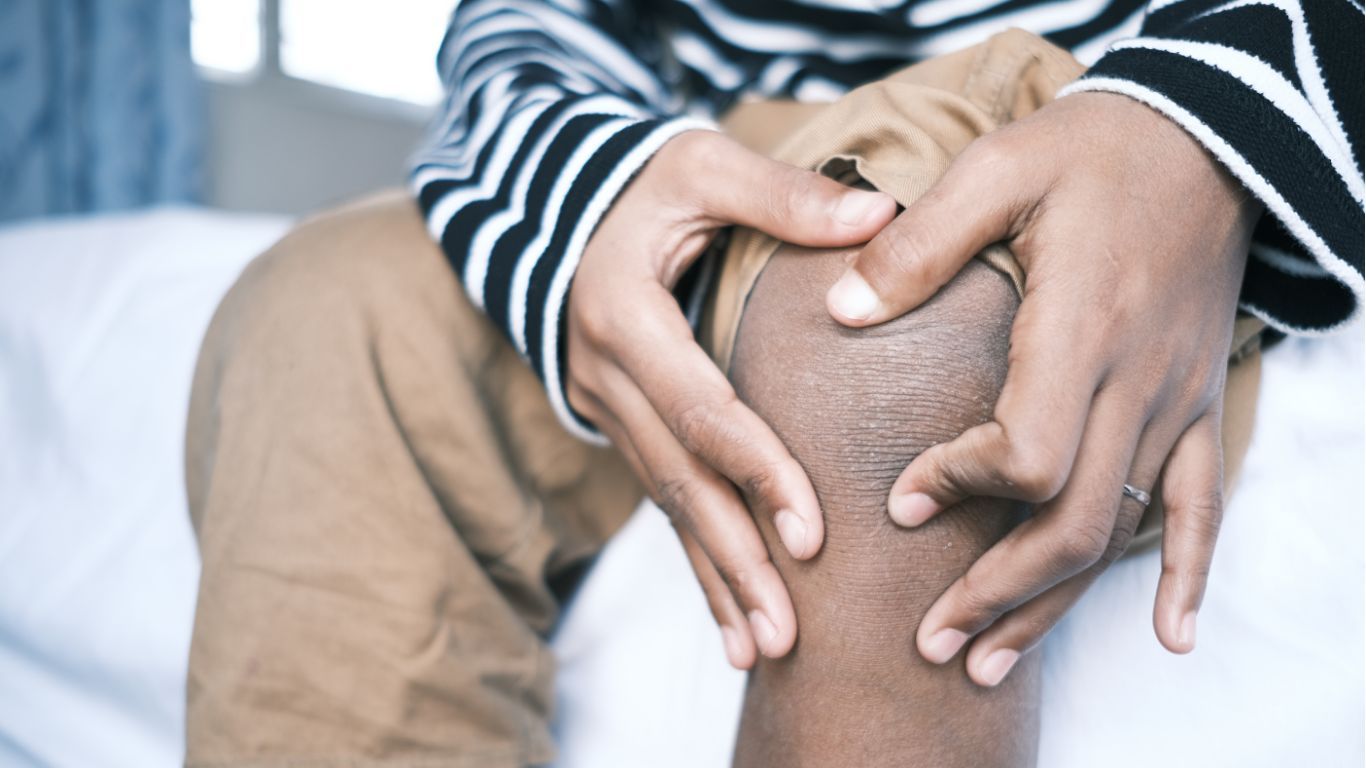
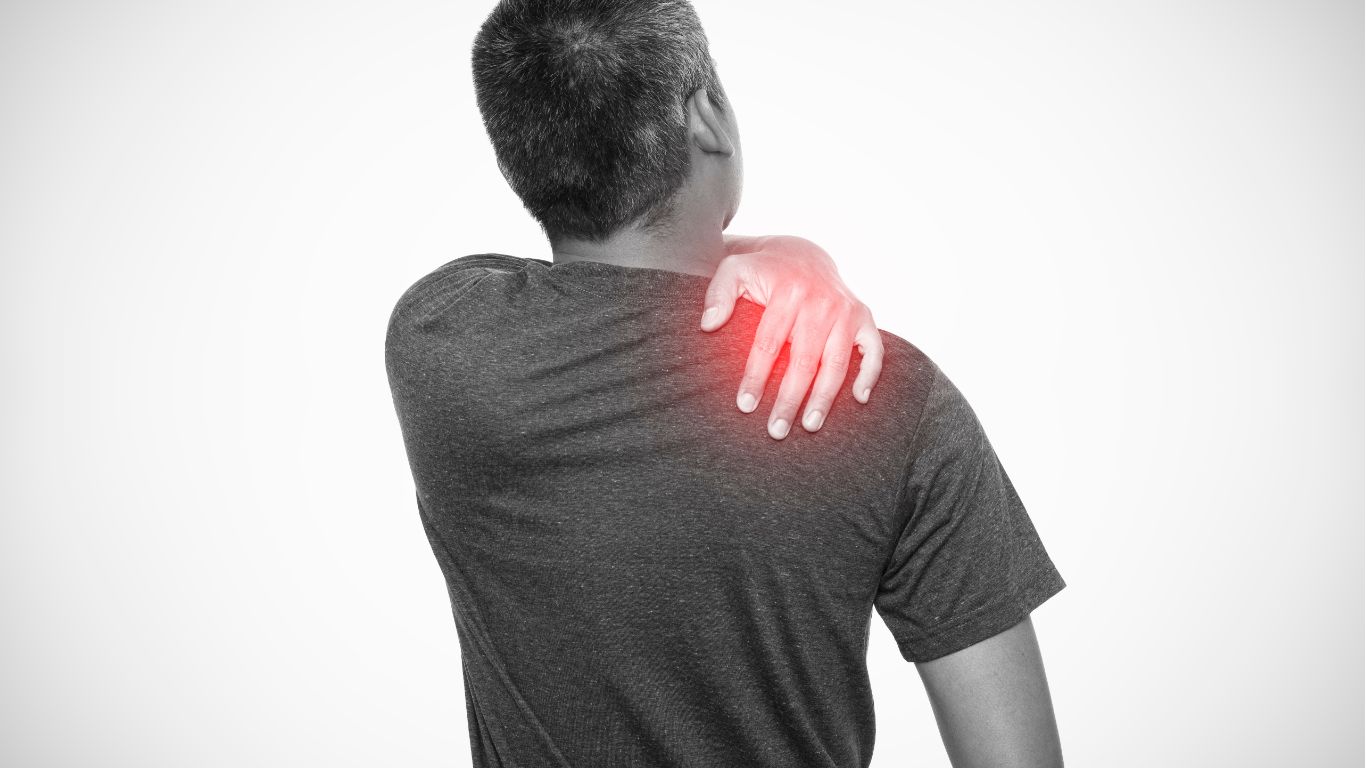
Pain often results from improper movement mechanics, leading to excessive strain on muscles and joints. For example, if the body is not aligned properly during activities, it can cause sharp pain, stiffness, or weakness in various areas. Common symptoms related to movement mechanics issues include:
- Persistent sharp or dull pain
- Stiffness after prolonged inactivity
- Weakness in specific muscle groups or overall fatigue
These issues can also disrupt balance, increase the risk of injuries, and affect overall mobility. Awareness of these symptoms is critical for recognizing when movement mechanics may be at fault.
Importance of Comprehensive Evaluation
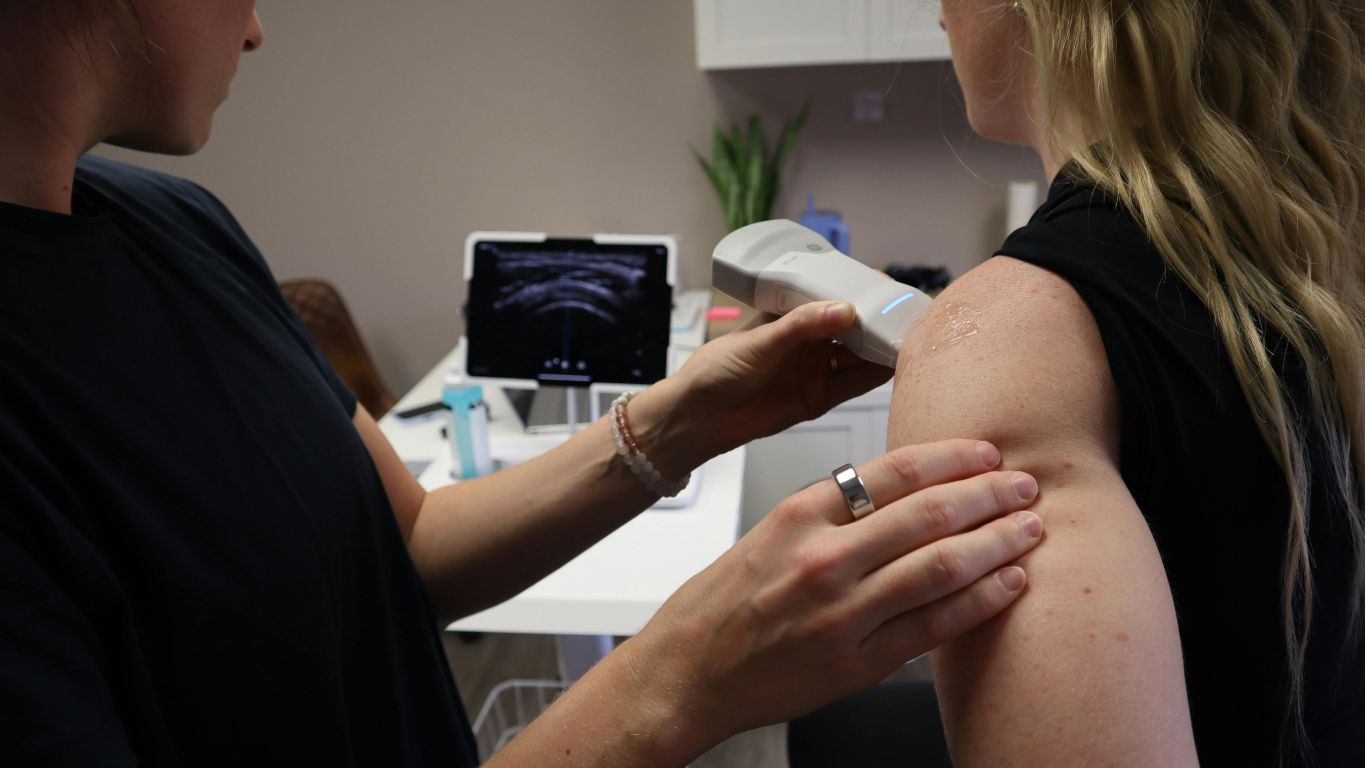
This is where Physical Medicine and Rehabilitation (PM&R) comes into play. PM&R specialists are dedicated to carefully evaluating the intricate connections between pain, movement mechanics, and overall functionality. By assessing how the body moves as a complete system, they help patients regain control of their movements and alleviate discomfort. A comprehensive evaluation typically includes:
- Discussion of symptoms and their impact on daily life
- Focused assessment of movement patterns
- An explanation of potential underlying causes
Understanding the root of alignment problems is essential to developing effective treatment strategies. The goal of PM&R is not only to address pain relief but also to enhance the quality of life by improving overall movement capacity and preventing further injury.
In summary, understanding movement mechanics is crucial for anyone who experiences pain or limitations in movement. If you are facing these challenges, consider reaching out for a comprehensive evaluation from a specialist who can help untangle the complex relationship between movement and pain. At MM Medical, we focus on helping you move better and feel better through our PM&R approach. For more information about how we can assist you, visit MM Medical.
Identifying Signs That Pain May Stem from Movement Mechanics
Understanding the specific signs that indicate your pain may originate from movement mechanics is crucial for early intervention and effective treatment. Below, we explore key symptoms, the impact of these issues on daily life, and methods for evaluating your own movement patterns.
Recognizing Indicative Symptoms
When assessing whether pain is linked to movement mechanics, pay attention to the following symptoms:
- Persistent Pain Patterns: If you experience ongoing discomfort that does not improve with rest or typical pain management strategies, it may suggest a suboptimal movement pattern.
- Limited Range of Motion: Difficulty moving a joint through its full range can signal mechanical issues, often accompanied by pain or stiffness.
- Stiffness After Inactivity: If you feel stiffness after sitting or lying down for an extended period, this can be related to poor mechanics during movement.
These symptoms can be clues that your body may not be moving in the most efficient way, leading to discomfort and limitations.
Daily Functional Impacts
Pain resulting from poor movement mechanics can deeply affect your daily life. Here are some common areas impacted:
- Work Activities: Whether you’re sitting at a desk or performing manual labor, improper movement can lead to fatigue and decrease productivity.
- Exercise: Engaging in physical activities may become frustrating or challenging if you’re dealing with pain; this can prevent you from maintaining a healthy lifestyle.
- Home Life: Everyday tasks, like carrying groceries or playing with children, can become difficult, impacting your quality of life.
Real-world scenarios highlight how movement dysfunction might manifest. For example, if someone experiences back pain while lifting a box, the issue may stem from poor lifting mechanics rather than just the weight of the box itself.
Evaluating Movement Patterns
Self-assessing your movement mechanics can be a helpful step in identifying potential issues. Here are some tips:
- Gait Analysis: Observe your walking pattern. Notice if you shuffle, lean, or have a limp; these can be signs of movement dysfunction.
- Posture Checks: Standing in front of a mirror can help you assess whether your posture is aligned. Look for any noticeable asymmetries.
- Record Your Movements: Taking video of your movements during daily activities can help you evaluate your mechanics and discuss any concerns with a professional.
While these self-assessments are beneficial, seeking a professional evaluation is crucial to accurately identify underlying causes. Specialists in Physical Medicine and Rehabilitation (PM&R) possess the expertise to evaluate the intricate dynamics of your movement patterns and can provide a comprehensive assessment tailored to your needs.
If you are experiencing any of the symptoms mentioned above and are wondering how to know if pain is from movement mechanics, consider reaching out for a professional evaluation. At MM Medical, we specialize in understanding the complex relationship between movement and pain to create individualized plans that get you back to living your life to the fullest.
How PM&R at MM Medical Can Help
When dealing with pain attributed to movement mechanics, it is critical to approach the problem holistically. At MM Medical, our Physical Medicine and Rehabilitation (PM&R) process is designed to evaluate and diagnose movement-related issues through a comprehensive lens that focuses on your unique needs.
Holistic Approach to Diagnosis
The journey begins with a thorough evaluation, where we assess your entire movement system rather than just focusing on the site of pain. This holistic approach allows us to develop a personalized treatment plan that addresses your specific challenges. Our process includes:
- Detailed history taking: We discuss your symptoms, lifestyle, and how pain affects your daily activities.
- Focused movement assessments: We analyze your movement patterns to identify areas of concern.
- Identifying underlying issues: By looking at the interplay between joints, muscles, and nerve function, we can uncover the root causes of your discomfort.
This comprehensive diagnostic approach is crucial because many patients may have complex conditions that require a multifaceted treatment plan. At MM Medical, we strive to ensure that the plan we create is tailored to your functions and goals.
Treatment Strategies Offered
Once we have identified the underlying issues, our next step is to implement effective treatment strategies. Here’s an overview of the multifaceted approach to treatment we offer:
- Non-surgical options: Our focus is often on providing relief without the need for surgery, utilizing modalities such as medication management, injections, and advanced pain management techniques.
- Rehabilitation strategies: Tailored rehabilitation plans incorporate exercises specifically designed to address your identified movement dysfunction and enhance healing. These strategies are individualized based on your progress and needs.
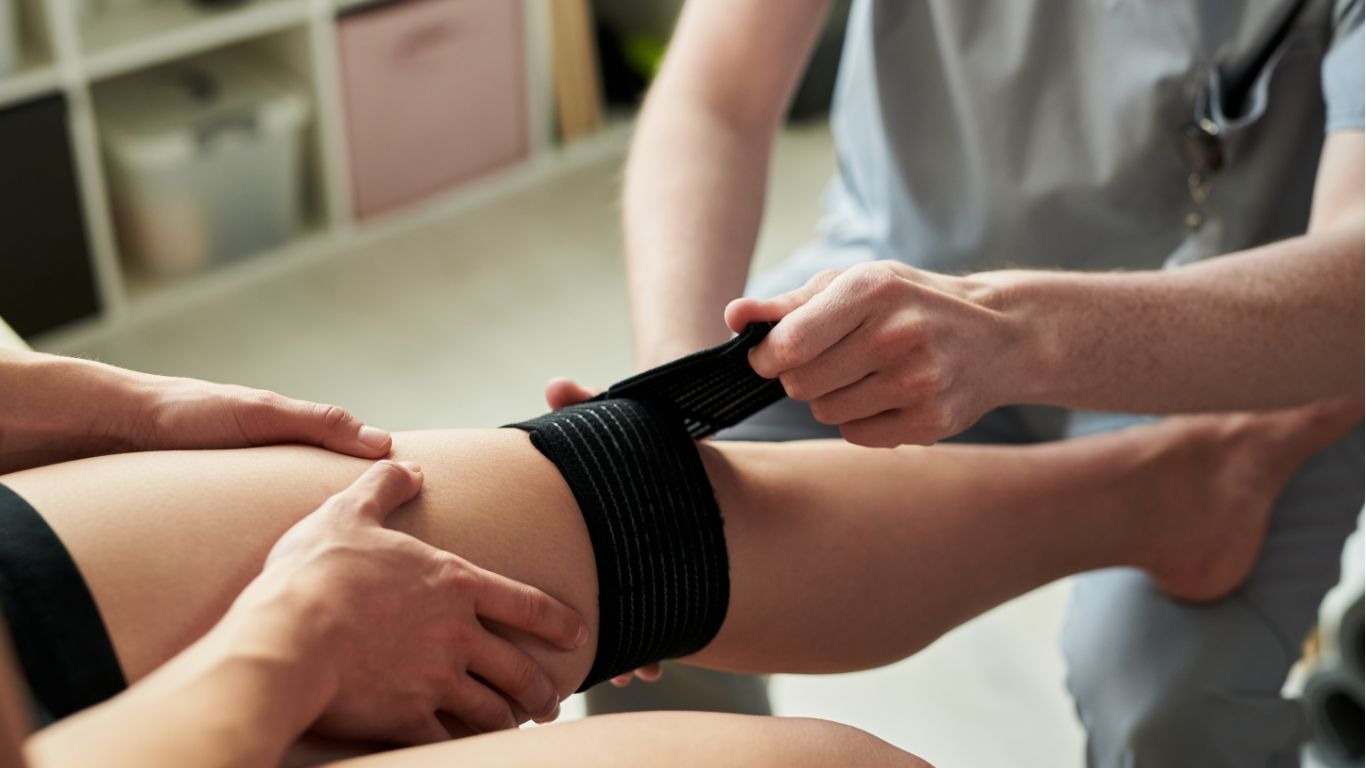
- Coordination with Physical Therapy: When beneficial, we work closely with physical therapists to ensure that rehabilitation efforts are synchronized with your PM&R plan, maximizing your recovery and improving overall outcomes.
This comprehensive, coordinated care addresses not only the symptoms but also promotes better overall function, aiding in a smoother transition back to your regular activities.
Success Stories and Testimonials
Our commitment to a patient-centered approach has yielded numerous success stories. Many patients have experienced significant progress through our comprehensive PM&R care:
- Maria, a 45-year-old office worker, reported a remarkable reduction in back pain following a tailored rehab program that focused on her specific posture and movement issues.
- John, a weekend athlete, regained confidence in his ability to participate in sports after a treatment plan integrated joint mobility exercises and strength training.
- Linda, a caregiver who struggled with chronic shoulder pain, regained her full range of motion and now enjoys everyday activities without discomfort.
These examples demonstrate the transformative impact of our PM&R services. At MM Medical, we are dedicated to achieving not just relief from pain but the ultimate goal of improved movement and quality of life.
Call to Action
If you are experiencing any of the symptoms associated with movement mechanics issues and are seeking answers, we encourage you to schedule an appointment for a comprehensive evaluation. At MM Medical, we firmly believe that understanding how to know if pain is from movement mechanics is the key to reclaiming your life and achieving the mobility you desire.

Author:
MM Medical
MM Medical provides expert, compassionate care with advanced treatments to help you heal, move, and live pain-free.
Schedule an Appointment
Search
SHARE THIS POST:
Recent Post


Take the First Step
Don't Let Pain Hold You Back Any Longer.
Our experienced medical team is ready to guide you toward lasting relief and better mobility with personalized, effective treatments.
Call us now: