



Understanding PM&R vs Physical Therapy: What’s the Difference?
Introduction to PM&R and Physical Therapy
When it comes to managing pain, mobility issues, and functional limitations, understanding the difference between Physical Medicine and Rehabilitation (PM&R) and Physical Therapy is essential. Each plays a vital role in recovery, yet they approach rehabilitation from distinct perspectives.
Definition of PM&R
Physical Medicine and Rehabilitation, or PM&R, is a medical specialty focused on diagnosing and treating a variety of movement and functional issues. Unlike traditional medicine that often targets only symptoms, PM&R emphasizes treating the whole person. This approach considers multiple factors that influence movement, such as how one walks, sits, or even lifts objects. By assessing these various elements, PM&R aims to create a tailored treatment plan that supports recovery and enhances overall functionality.
Definition of Physical Therapy
Physical Therapy (PT), on the other hand, is a practice dedicated to rehabilitation through therapeutic exercises and movement-based treatments. PT often works to improve mobility, strength, and overall function through specific techniques and exercises designed to address particular issues or injuries. While both PM&R and physical therapy are interconnected—often working in tandem—their approaches and scopes are different. Physical therapy focuses primarily on the execution of rehabilitation strategies rather than the medical diagnosis and overall treatment planning that PM&R encompasses.
Why the Distinction Matters
Understanding the distinction between PM&R and physical therapy is crucial for an effective recovery process. Misconceptions abound in this arena; many individuals may believe that both terms are interchangeable, but knowing when to seek one over the other can significantly impact outcomes. For example, PM&R may be more appropriate for complex conditions or persistent pain that requires a holistic evaluation, whereas physical therapy might be ideal for straightforward recovery from surgery or targeted mobility enhancements.
Moreover, having clarity about these roles allows patients to engage more effectively with their healthcare providers, ensuring that they pursue the most suitable treatment pathways for their specific conditions and recovery goals.
At MM Medical, we specialize in both PM&R and physical therapy, providing our patients with comprehensive care that addresses their unique needs. By connecting diagnosis, treatment, and recovery, we help you get back to moving with confidence. For more information, please visit us at MM Medical.
Key Differences Between PM&R and Physical Therapy
When navigating the landscape of rehabilitation, it's crucial to understand the distinctions between Physical Medicine and Rehabilitation (PM&R) and Physical Therapy (PT). Both offer vital support, yet they serve different purposes, approaches, and scopes of practice.
Scope of Practice
The first major difference lies in the scope of practice between physiatrists and physical therapists. Physiatrists are medical doctors specialized in diagnosing and treating complex functional and movement issues. They assess the whole patient, considering all underlying physical factors and lifestyle demands that might affect function and recovery; consequently, they are equipped to create comprehensive treatment plans. This includes:
- Medical diagnosis of conditions affecting movement and function.
- Coordination of a multi-faceted rehabilitation strategy tailored specifically for the patient.
- Direct management of concurrent health issues that may affect the recovery plan.
On the other hand, physical therapists focus primarily on improving mobility through exercises and functional techniques. They implement treatment plans set forth by physiatrists and target specific movements to rehabilitate injuries. The scope of physical therapy generally involves:
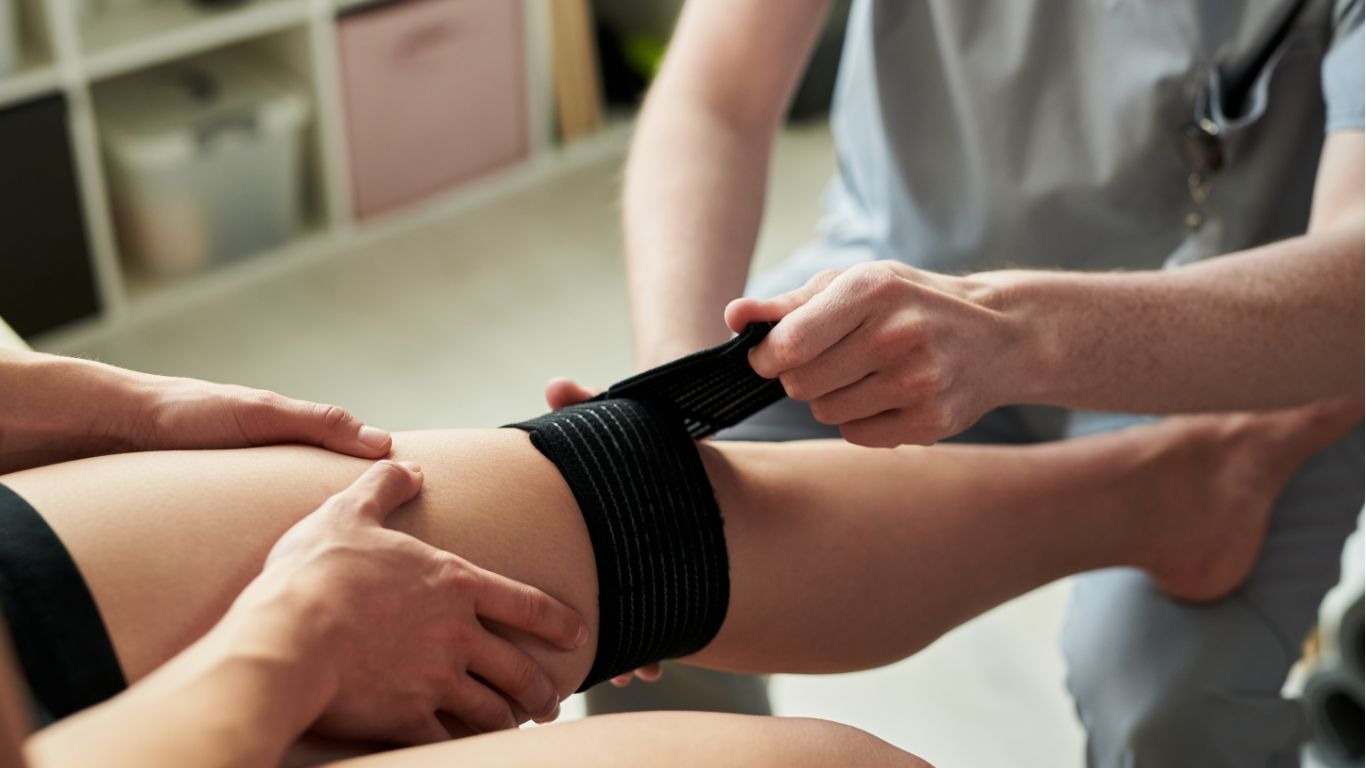
- Execution of rehabilitation exercises and hands-on techniques.
- Assessment of the immediate physical needs based on the diagnosis.
- Providing education on preventing further injury.
Assessment and Treatment Approaches
The assessment and treatment approaches in PM&R and PT also differ significantly. PM&R utilizes comprehensive evaluations , taking into account the patient's entire health history, lifestyle, and specific functional limitations. This approach ensures a tailored treatment plan that may combine various therapeutic modalities, medication management, and exercise therapies designed to improve overall functionality. Key features include:
- Holistic evaluations that address not just the injury but overall health.
- Creation of multi-faceted treatment plans that adapt to patient progress.
- Coordination with other healthcare professionals as necessary.
In contrast, physical therapy typically focuses on a subset of these treatments. Physical therapists concentrate on functional improvement through specialized exercises aimed to rehabilitate specific areas impacted by injury or surgery. Their approach includes:
- Implementing structured exercise regimens.
- One-on-one therapy sessions for personalized care.
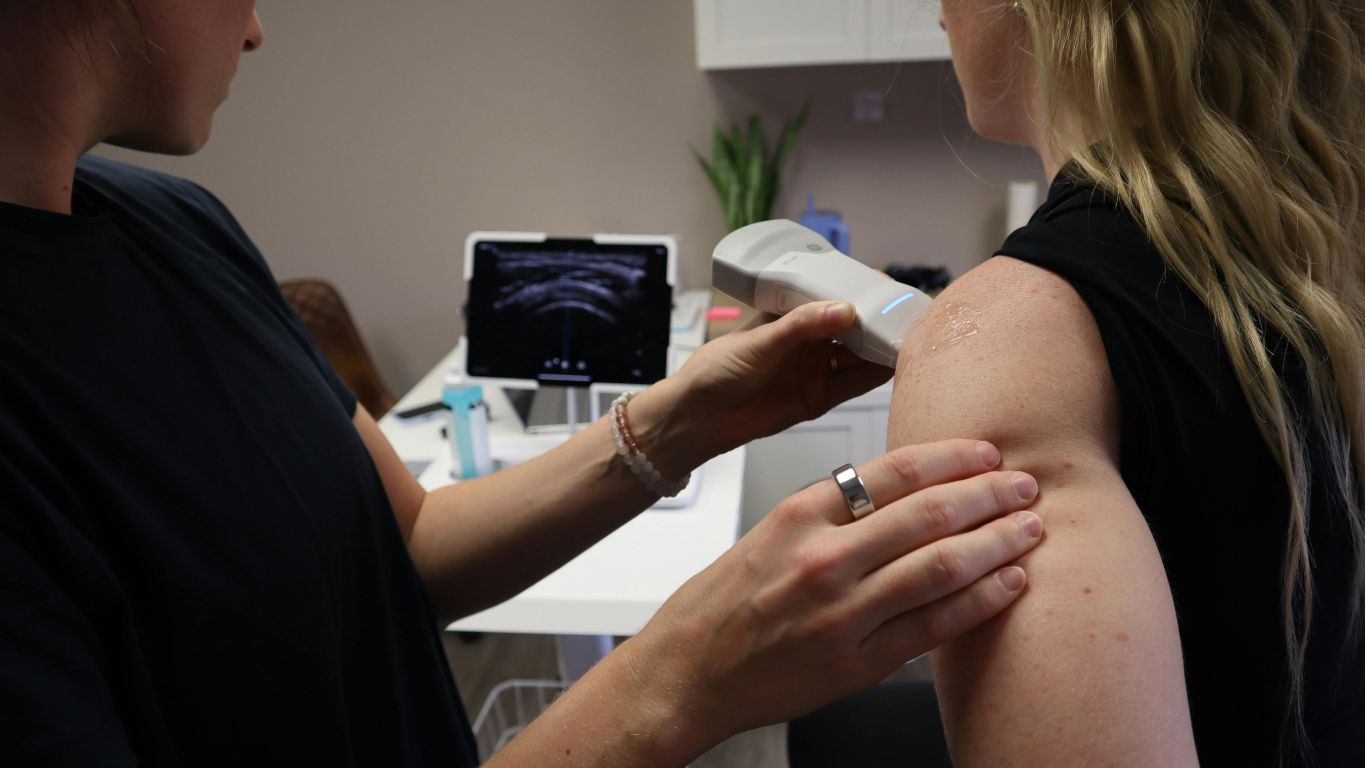
- Utilization of modalities such as ultrasound or electrical stimulation to enhance recovery.
When to Choose PM&R or Physical Therapy
Understanding when to choose PM&R or physical therapy is vital for effective recovery. PM&R is often the preferred option in scenarios such as:
- Complex medical conditions requiring detailed assessments.
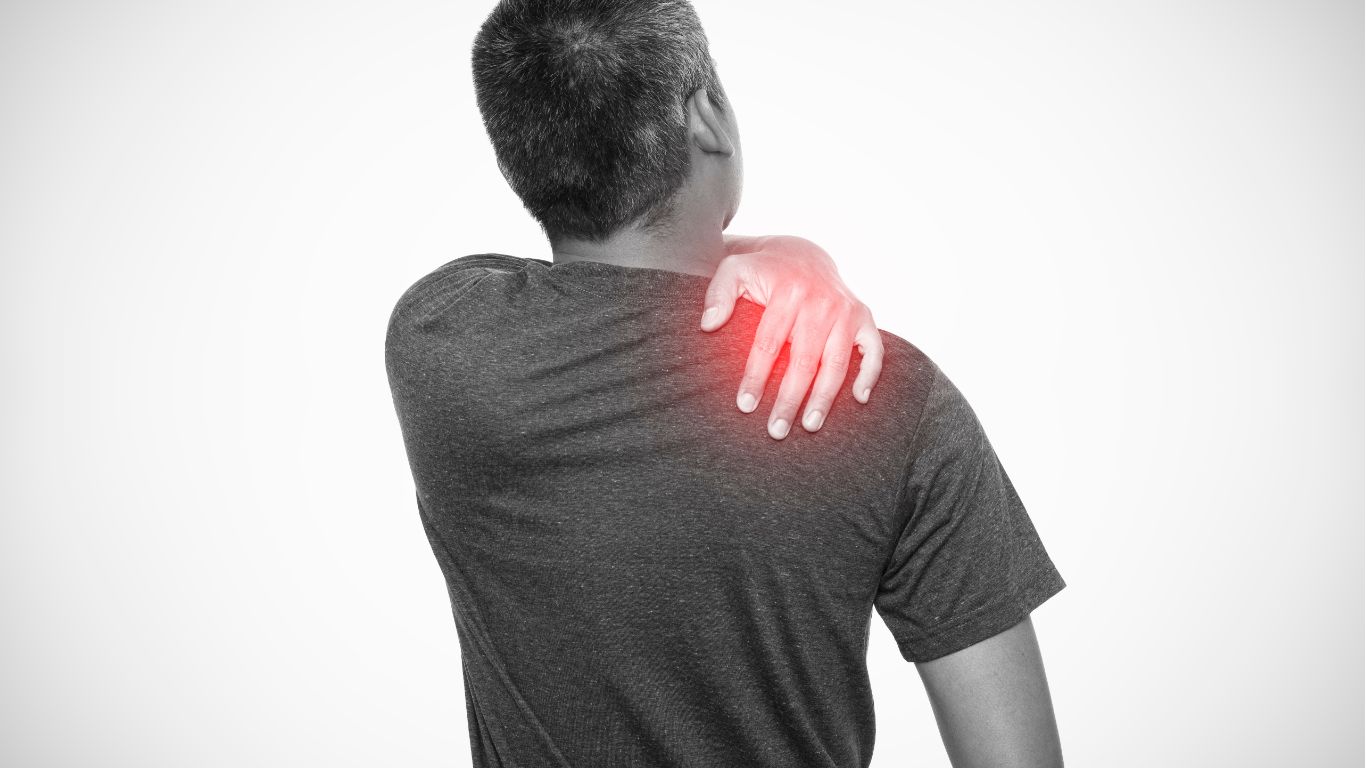
- Persistent pain that does not respond to initial interventions.
- Disabilities rooted in multiple, systemic health concerns.
Conversely, physical therapy proves beneficial in situations like:
- Post-surgery rehabilitation for targeted recovery.
- Conservative management of musculoskeletal injuries.
- Direct interventions for improving functional movements, such as range of motion or strength.
At MM Medical, our team works to ensure patients understand these key differences. This allows for informed decisions that lead to optimal recovery paths tailored to every individual's unique needs.
How MM Medical Bridges the Gap
Understanding the differences between PM&R and physical therapy is a crucial step in your rehabilitation journey, but the next question is how to navigate these options effectively. At MM Medical, we bridge the gap between these two essential fields through an integrated care model. Our approach ensures that you receive comprehensive treatment that addresses not only your symptoms but the underlying causes of your condition as well.
Integrated Care Model
The team at MM Medical utilizes an integrated care model that combines both PM&R and physical therapy. This cohesive strategy allows our healthcare professionals—physiatrists and physical therapists—to collaborate closely, ensuring every aspect of your rehabilitation is accounted for. Instead of feeling like your treatment is disjointed or fragmented, we create a seamless experience that centers on your individual goals.
Some key benefits of our integrated care model include:
- Holistic evaluations: Each patient receives a thorough assessment that looks at movement, strength, and overall health.
- Coordinated treatment plans: Treatment strategies are developed based on comprehensive evaluations, ensuring that both medical and rehabilitative needs are met.
- Ongoing communication: Our team maintains consistent dialogue to adapt your treatment as progress is made, which is essential in achieving optimal recovery.
Personalized Treatment Plans
At MM Medical, we believe that rehabilitation should never be one-size-fits-all. That’s why we create personalized treatment plans tailored specifically to your lifestyle, daily activities, and functional aspirations. Each plan is designed to meet you where you are, ensuring that as your body changes and improves, your treatment adapts too.
Our PM&R plans focus on:
- Understanding your specific symptoms and how they manifest in your life—whether through pain, stiffness, or general mobility issues.
- Aligning with your daily demands, from work commitments to personal goals.
- Recognizing what you’ve previously tried in your recovery journey—because not all interventions are equally effective.
- Setting actionable, measurable goals to track your progress and make necessary adjustments.
This tailored approach helps ensure that you’re not just recovering but also thriving in your daily life.
Booking an Appointment
Are you ready to take the next step in your recovery? Contact MM Medical today to schedule an evaluation with our expert team. We are dedicated to guiding you through the optimal treatment pathways that align with your individual goals and health needs.
Don’t wait until pain or limitations control your life. Our compassionate care team is committed to finding cutting-edge solutions for your pain, mobility issues, and rehabilitation. We are here to support you every step of the way on your journey to recovery.

Author:
MM Medical
MM Medical provides expert, compassionate care with advanced treatments to help you heal, move, and live pain-free.
Schedule an Appointment
Search
SHARE THIS POST:
Recent Post



Take the First Step
Don't Let Pain Hold You Back Any Longer.
Our experienced medical team is ready to guide you toward lasting relief and better mobility with personalized, effective treatments.
Call us now: