




What to Expect at a Physiatry Appointment: A Comprehensive Guide to Physical Medicine and Rehabilitation
When it comes to managing injuries, pain, or mobility issues, understanding the role of Physiatry is essential. Physical Medicine and Rehabilitation (PM&R), also known as physiatry, is a specialized medical field dedicated to enhancing the quality of life for individuals facing these challenges. This article serves as a comprehensive guide to help patients understand the importance of physiatrists and what they can expect at their appointments.
Introduction to Physiatry
Physiatry is a medical specialty that focuses on restoring function, reducing pain, and improving quality of life for patients with a range of physical challenges. Unlike traditional treatment methods that center around one specific area or symptom, PM&R adopts a holistic approach, evaluating the body as an interconnected system. This is crucial for developing effective and personalized treatment plans that align with the patient's real-life needs.
When to Seek Physiatry
It can be beneficial to consider PM&R when you are experiencing:
- Chronic pain that does not respond to standard treatments.
- Injuries, particularly sports or overuse injuries.
- Mobility limitations following surgery or an accident.
- Neurological conditions that affect movement.
Understanding when to seek help from a physiatrist can dramatically improve your recovery journey. While Physical Therapy (PT) primarily involves exercise-based rehabilitation, PM&R includes medical diagnosis and comprehensive treatment planning, effectively connecting treatment and recovery.
The Goals of Physiatry
The overarching goals of PM&R include:
- Maximizing function through tailored rehabilitation strategies.
- Reducing pain and addressing the root causes of discomfort.
- Enhancing long-term health and self-sufficiency.
Physiatrists work collaboratively with patients and other healthcare providers to ensure a cohesive approach to care. This coordinated effort helps to eliminate fragmented treatment pathways, guiding patients toward optimal recovery. At MM Medical, we pride ourselves on delivering individualized care that not only addresses symptoms but also enhances overall functionality, empowering patients to lead more active, fulfilling lives.
In conclusion, understanding the significance of physiatry is vital for anyone dealing with pain or mobility challenges. This multifaceted approach ensures that you're not merely treated for symptoms but are provided with a comprehensive plan aimed at improving your quality of life. If you are facing such issues, consider booking an appointment at MM Medical, where our expert team is dedicated to supporting your journey towards recovery. Stay tuned for the next part of this series, which will dive deeper into what you can expect during your first physiatry appointment.
Preparation for Your First Visit
Preparing for your first physiatry appointment can significantly enhance the effectiveness of your visit. Here are some essential steps to take before you arrive:
- Gather Your Medical History: Compile a detailed account of your medical history, including previous treatments, surgeries, and any current medications. This information is critical for your physiatrist to develop an effective treatment plan.
- List Your Symptoms: Write down your symptoms, including when they began and how they have changed over time. This will help the doctor understand your condition better.
- Bring Relevant Documents: Don’t forget to bring any relevant medical records, imaging studies (like X-rays or MRIs), and a list of your current medications.
- Prepare Questions: Think about any questions you may have regarding your condition, potential treatments, and what to expect from your rehabilitation process.
Being well-prepared can lead to a more productive appointment, allowing your physiatrist to focus on your specific needs effectively.
Structure of the Appointment
During your appointment, expect a comprehensive discussion and evaluation:
- Symptom Discussion: You’ll have an opportunity to describe your symptoms more fully, including how they affect your daily life, such as work and leisure activities.
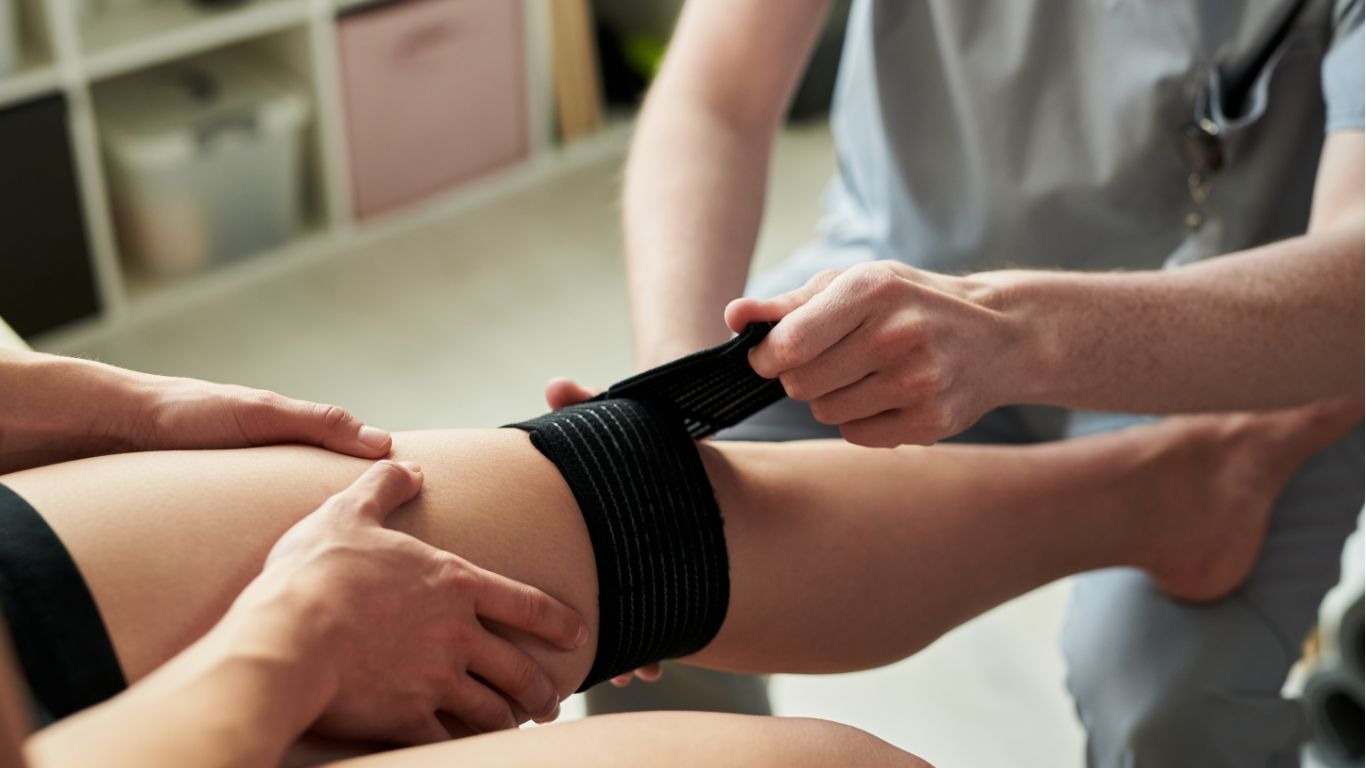
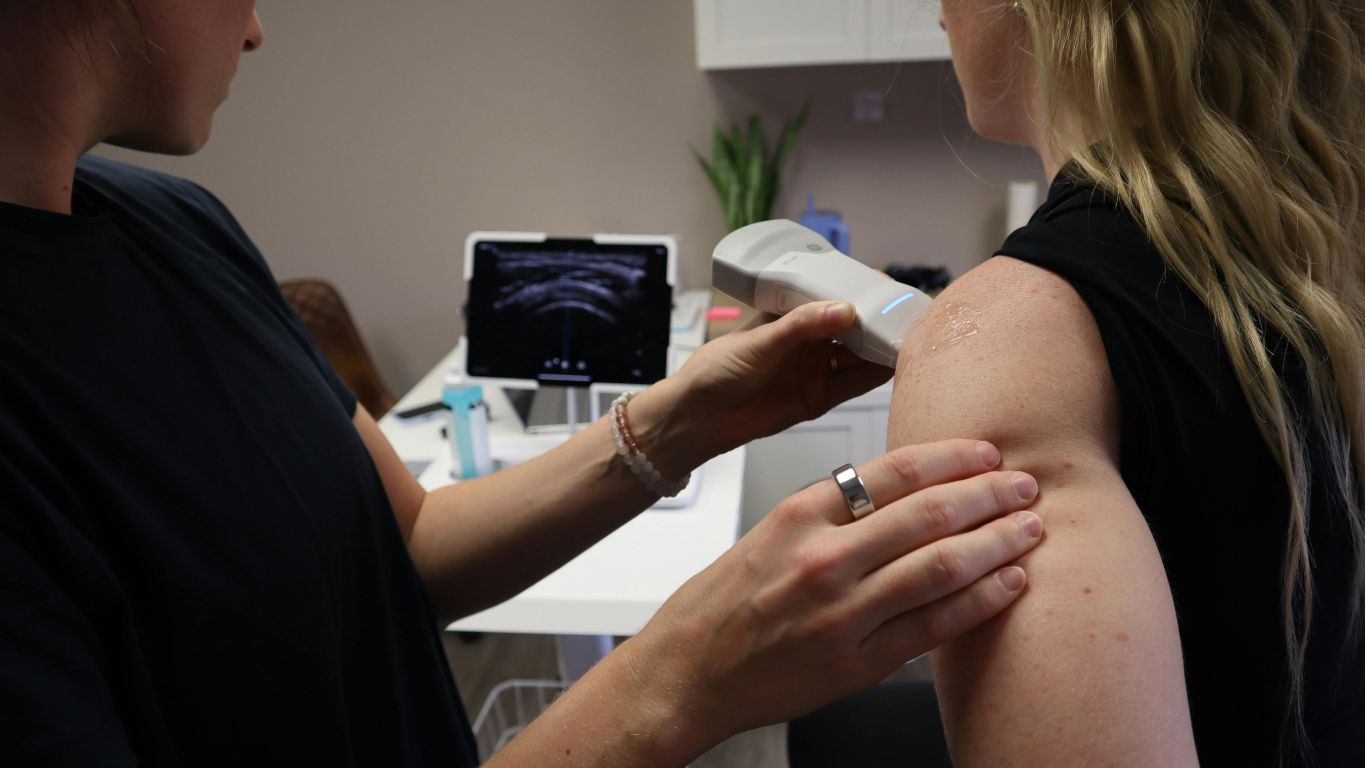
- Thorough Evaluation: The physiatrist will assess your movement and function through physical examinations, possibly including tests to evaluate strength, flexibility, and coordination. They will also investigate any contributing factors to your condition.
- Clear Communication: Expect clear communication regarding your diagnosis. Your doctor will explain your condition in understandable terms and discuss available treatment options that align with your personal health goals.
This structure not only facilitates accurate diagnosis but also sets the stage for a collaborative approach to your rehabilitation.
Creating a Personalized Rehabilitation Plan
One of the main goals of your physiatry appointment is to create a personalized rehabilitation plan tailored to your unique needs:
- Individualized Treatment: Your treatment plan will be tailored based on your specific symptoms, daily activities, and rehabilitation goals. Recognizing that no two patients are alike is fundamental in physiatry.
- Potential Strategies: Your physiatrist may recommend a variety of rehabilitation strategies, which can include physical therapy, exercise regimens, pain management approaches, or collaborative care with other medical professionals.
- Follow-Up Steps: An outline of follow-up visits, re-evaluations, and adjustments to your treatment plan will typically be discussed. This ongoing communication helps ensure that your rehabilitation progresses effectively.
A personalized rehabilitation plan is key for rendering the most effective results. At MM Medical, we emphasize individualized care that focuses on your functional goals to ensure you can return to the activities you enjoy.
The Road to Recovery and Improved Functionality
After your first physiatry appointment, understanding the pathway ahead becomes essential for effective recovery. As you embark on your rehabilitation journey, it’s crucial to set realistic expectations and engage actively in your treatment plan. Here's what to anticipate:
Setting Realistic Expectations
Recovery timelines can vary significantly based on individual conditions, underlying factors, and the nature of your symptoms. Here are some key points to consider:
- Recovery is a Journey: Restoring function and reducing pain takes time. It's essential to recognize that improvements may be gradual and require consistent effort.
- Active Engagement: Your involvement in the treatment process—whether through adhering to your rehabilitation plan, attending follow-up appointments, or participating in home exercises—is vital for achieving your goals.
- Challenges Ahead: Be prepared for potential setbacks or challenges as you progress. These can happen, but with persistence and the right support, you can navigate through them.
Continuing Care Beyond the Appointment
Your journey doesn’t end with the first visit; ongoing care plays a significant role in your rehabilitation. Here’s how:
- Follow-Up Visits: Regular appointments with your physiatrist are essential for monitoring progress. They help evaluate how well your rehabilitation plan is working and make necessary adjustments.
- Adjustments to Your Rehabilitation Plan: As you improve or if your condition changes, your treatment plan may need to be refined. Your physiatrist will work with you to modify your rehabilitation strategies to suit your evolving needs.
- Tracking Progress: Keeping a record of your improvements—such as pain levels, mobility, and daily activities—can provide valuable insights into your recovery. This information can help you and your physician make informed decisions about ongoing treatment.
Conclusion
Considering all the insights provided throughout this guide, it's clear that your journey towards recovery is supported through the multi-faceted approach of physiatry. If you’re dealing with pain, mobility limitations, or an injury, now is the time to take action. At MM Medical, our dedicated team stands ready to assist you on your rehabilitation journey. Don’t hesitate to schedule a physiatry appointment today, and take the first step towards enhancing your quality of life and regaining functional independence.

Author:
MM Medical
MM Medical provides expert, compassionate care with advanced treatments to help you heal, move, and live pain-free.
Schedule an Appointment
Search
SHARE THIS POST:
Recent Post




Take the First Step
Don't Let Pain Hold You Back Any Longer.
Our experienced medical team is ready to guide you toward lasting relief and better mobility with personalized, effective treatments.
Call us now: